Mostrar mensagens com a etiqueta Anja Harteros. Mostrar todas as mensagens

domingo, 16 de agosto de 2020

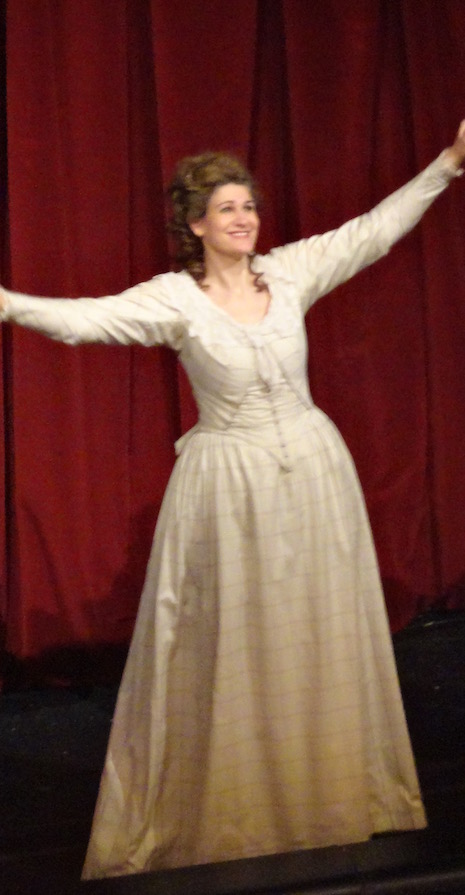
Anja Harteros, Viena / Vienna, Abril / April 2018


Para os admiradores, entre os quais me incluo, aqui ficam umas fotografias de uma recepção calorosa à fantástica soprano alemã, Anja Harteros


depois de uma magnífica interpretação da Maddalena di Coigny da opera Andrea Chénier na Ópera Estatal de Viena, em Abril de 2018.


Anja Harteros, Vienna, April 2018


For the admirers, including myself, here are some photographs of a warm welcome to the fantastic German soprano, Anja Harteros, after a magnificent performance as Maddalena di Coigny in the opera Andrea Chénier at the Vienna State Opera in April 2018


sexta-feira, 13 de setembro de 2019

LA FORZA DEL DESTINO, Ópera de Paris / Paris Opera, Junho / June 2019


(text in English below)

Texto de camo_opera

Uma La Forza del Destino excelente em Paris. Um espectáculo fantástico. Orquestra sublime na batuta de Nicola Luisotti: sons cheios, vivos e dramáticos. Coro de muita qualidade. Cantores secundários todos bons e equilibrados. E cantores principais muito bons.

(fotografia / Photo: Julien Benhamou) 

A pior foi, sem dúvida, a Preziosila de Varduhi Abrahamyan: voz pouco potente e com agudos difíceis, teve um desempenho aceitável, mas destoava da qualidade superlativa dos demais. Foi pena.

(fotografia / Photo: Julien Benhamou) 

Depois tivemos só cantores bons, mas com o Zeljko Lucic. Foi um Don Carlo di Vargas com uma qualidade vocal assinalável, mas é embotado a cantar. Canta a vida ou a morte da mesma maneira e, uma vez mais, deixou-me decepcionado porque a voz exigia um cérebro melhor. Uma pena e uma frustração gigante! Tem tudo para ser o melhor barítono da atualidade, mas não pode porque não sabe interpretar. Além disso, canta todos os papéis de igual forma.

 (fotografia / Photo: Julien Benhamou) 

O Padre Guardiano de Rafal Siwek foi bom, mas também não deslumbrou. Mas não destoou. Já o Melitone de Gabriele Viviani foi excelente: voz muito bonita e potente, interpretação excepcional e grande sentido cénico. Este devia ter sido o Carlos di Vargas!

(fotografia / Photo: Julien Benhamou) 

O Don Álvaro foi Brian Jagde: grande interpretação. Agudos sublimes, timbre belíssimo, técnica apurada e bom sentido cénico fizeram dele um Álvaro de excelente qualidade, confirmando Jagde como um valor seguríssimo entre os tenores jovens da sua geração.

(fotografia / Photo: Julien Benhamou) 

As últimas palavras acerca dos cantores vão para a Leonora de Anja Harteros. Não me canso de dizer que é das melhores sopranos da atualidade. Voz belíssima, segura e de técnica perfeita a que alia um bom sentido dramático (talvez seja um pouco fria às vezes). Nunca falha em nenhum papel. Foi uma grande Leonora.

A encenação de Auvray foi outros dos pontos fortes: muito simples, muito dinâmica, muito fluída, com pormenores inteligentes, muito cumpridora do guião e do texto. Clássica e simples: tudo aquilo que se quer e pode pedir. Muda de ambientes quase só com a luz no fundo do palco ou com recursos a pequenos panos que criam espaços. Uma forma inteligente de tornar dinâmico um enredo pesado que se estende por um período temporal de 5 anos. Excelente récita.


LA FORZA DEL DESTINO, Paris Opera,  June 2019

Text by camo_opera

An excellent La Forza del Destino in Paris. A fantastic performance. Sublime orchestra under the direction of Nicola Luisotti: full, lively and dramatic sounds. Very good Choir. Secondary singers all good and balanced. And very good soloist singers.

The worst was undoubtedly the Preziosila of Varduhi Abrahamyan: a little powerful voice and with difficult top notes, she had an acceptable performance, but was not the superlative quality of the others. It was regrettable.

The other soloists were all good singers, despite Zeljko Lucic. He was a Don Carlo di Vargas with a remarkable vocal quality, but he is dull to sing. He sings life or death in the same way and once again disappointed me because the voice demanded a better brain. A pity and a giant frustration! He has everything to be the best baritone of our days, but can not because he does not know to interpret. In addition, he sings all the roles in the same way.

Rafal Siwek's Father Guardian was good, but he was not dazzled either. Gabriele Viviani's Melitone was excellent: very beautiful and powerful voice, exceptional interpretation and great scenic sense. He must have been Carlos di Vargas!

Don Álvaro was Brian Jagde: great interpretation. Sublime top notes, beautiful timbre, exquisite technique and good scenic sense made him an excellent Alvaro, confirming Jade as a very good value among the young tenors of his generation.

The last words about the singers go to Anja Harteros’ Leonora. I never tire of saying that she is one of the best sopranos of our time. Beautiful voice and perfect technique that combines a good dramatic performance (maybe she's a bit cold at times). Never fails in any role. She was a great Leonora.

The staging of Auvray was another strong issue: very simple, very dynamic, very fluid, with clever details, very fulfilling of the script and the text. Classic and simple: everything you want and can ask for. The settings change almost only with the light at the bottom of the stage or with resources to small cloths that create spaces. A clever way to make a heavy storyline dynamic that stretches over a 5-year time frame. Excellent performance.


terça-feira, 1 de maio de 2018

ANDREA CHÉNIER, Viena Staatsoper, Abril / April 2018


(review in English below)

A opera Andrea Chénier de Umberto Giordano esteve em cena na Ópera Estatal de Viena, tendo como atractivo principal a participação de Jonas Kaufmann como protagonista. Os bilhetes esgotaram num ápice quando a bilheteira abriu online e, no mercado negro, atingiam preços proibitivos.

A Ópera de Viena informa (verbalmente e em cartazes) que não se responsabiliza pela venda dos bilhetes que é feita por dezenas de indivíduos de países de leste, mascarados de Mozart, que o fazem á volta de todo o teatro. Se paramos para olhar para um cartaz, esteja ele onde estiver à volta do teatro, somos imediatamente abordados. Não percebo como isto é permitido, mas é sempre assim.


Depois desta primeira nota negativa, uma muito positiva. Numa das laterias do teatro está instalado um écran gigante que transmite em directo muitas das óperas em cena (foi o caso desta) permitindo a quem não conseguiu comprar bilhetes poder ter uma ideia do que se passa na sala.


A Anja Harteros, durante os aplausos, confrontada com a filmagem mesmo atrás da cortina, puxou operador de câmera para o palco, num momento hilariante.


A velha encenação de Otto Schenk é muito clássica, kitsch, desinteressante. A Orquestra da òpera de Viena foi bem dirigida pelo maestro Marco Armiliato  que, contudo, não se preocupou excessivamente com os cantores.


Quanto aos solistas, alguma heterogeneidade. O barítono Roberto Frontali fez um Carlo Gérard de grande qualidade. A interpretação cénica foi convincente e a voz é cheia, afinada e sempre bem projectada.


O Roucher do barítono Orhan Yildiz cumpriu sem deslumbrar.

Das interpretações femininas a Bresi da soprano Ilseyar Khayrullova de voz muito agradável e suave foi interessante e correcta, a Condessa de Coigny da mezzo Donna Ellen foi algo agreste e a Madelon da mezzo Zoryana Kushpler foi óptima, com uma voz grave imponente e excelente presença cénica.

Verdadeiramente sensacional e, de longe, a melhor da noite foi a soprano Anja Harteros como Maddalena di Coigny. É uma cantora de que muito gosto e hoje foi, talvez, uma das melhores interpretações que lhe ouvi. A voz é de uma beleza única e no registo mais agudo é impressionante na qualidade, suavidade e segurança. Na belíssima ária La mamma morta quase chegou ao nível divinal da Callas, a minha referencia neste trecho. Absolutamente fantástica.


Deixo para o fim o tenor Jonas Kaufmann que, como sabem os leitores regulares deste blogue, é um dos meus cantores favoritos e era a grande estrela da noite. Foi uma decepção. Tem uma voz de timbre único, grave mas com agudos fabulosos e esta característica é intrínseca e manteve-se. Mas fez um Andrea Chénier sem alma, com pouca entrega na interpretação e vocalmente deixou-se afogar pela orquestra com frequência. Foi uma pena, mas admito que também os cantores tenham dias menos bons e este foi, seguramente, um deles. Ainda assim tinha umas dezenas de pessoas à sua espera na stage door, muitas delas com flores e outros presentes mas, para decepção de todos e após mais de 1,5 horas de espera, chegou a informação de que foi o único que saiu por outra porta. Ele lá saberá porquê...


Um espectáculo aquém das minhas elevadas expectativas.


****


ANDREA CHÉNIER, Vienna Staatsoper, April 2018

Umberto Giordano’s opera Andrea Chénier was on stage at the Vienna State Opera, with the main attraction being the participation of Jonas Kaufmann as the protagonist. Tickets sold out at a glance when the box office opened online and on the black market hit prohibitive prices.

The Vienna State Opera reports (verbally and on posters) that it is not responsible for the sale of the tickets which is made by dozens of Eastern European ndividuals masked as Mozart from around the theater. If we stop to look at a poster, wherever it is around the theater, we are immediately approached. I do not understand how this is allowed, but it is always like this.

After this first negative note, a very positive one. On one side of the theater is installed a giant screen that transmits live many of the operas on the scene (it was the case of this one) allowing those who could not buy tickets to get an idea of ​​what is going on in the room.

Anja Harteros, during the applause, confronted with filming right behind the curtain, pulled the camera operator to the stage in a hilarious moment.

Otto Schenk's old staging is classic, kitsch, uninteresting. The Orchestra of the Vienna State Opera was well directed by maestro Marco Armiliato, who, however, did not care too much about the singers.

As for the soloists, some heterogeneity. Baritone Roberto Frontali was a Carlo Gérard of great quality. The stage interpretation was convincing and the voice is full, tuned and always well-projected.

Baritone Orhan Yildiz did not dazzle as Roucher.

From the female interpretations, Bresi of soprano Ilseyar Khayrullova sang with a very pleasant, correct and smooth voice, the Countess of Coigny by mezzo Donna Ellen was somewhat harsh and Madelon from mezzo Zoryana Kushpler was excellent, with an imposing low registation and excellent stage presence.

Truly sensational and by far the best of the evening was soprano Anja Harteros as Maddalena di Coigny. She is a singer I really like and today was perhaps one of the best interpretations I heard. The voice is of a unique beauty and in the highest register she is impressive in quality, softness. In the beautiful aria La mamma morta she almost reached the divine level of Callas, my reference in this area Absolutely fantastic.

I leave to the end tenor Jonas Kaufmann who, as the regular readers of this blog know, is one of my favorite singers and was the great star of the night. He was disappointing. He has a unique voice, with a strong low register but with fabulous top notes and this characteristic is intrinsic and maintained. But he interpreted a soulless and underpower Andrea Chénier vocally drowned by the orchestra often. It was a pity, but I admit that the singers also have less good days and this was, without a doubt, one of them. Yet there were dozens of people waiting for him on the stage door, many of them with flowers and other gifts, but to everyone's disappointment and after more than 1.5 hours of waiting, the information came that he was the only one who left by another door. He will know why...

****

domingo, 18 de agosto de 2013

DON CARLO, Salzburger Festspiele, Agosto / August 2013

(in english below)

Tivemos ontem a possibilidade de assistir a uma transmissão “quase” directa, pelo canal arte, da nova produção do Don Carlo de G. Verdi, do Festival de Salzburgo. Ouviu-se a versão francesa em 5 actos, traduzida para italiano, sem o ballet. É a minha ópera favorita do compositor e já foi comentada aqui e aqui e aqui.

A produção de Peter Stein é clássica, austera, minimalista, mas agradável. As personagens aparecem quase sempre vestidas de negro, excepto no Auto-de-Fé onde há colorido excessivo. Não se criam ambientes dramáticos, estes são deixados à actuação dos cantores, que os cumpriram na perfeição.

A Orquestra Filarmónica de Viena, o Coro da Ópera de Viena e os solistas foram dirigidos, novamente de forma soberba, pelo maestro Antonio Pappano.

A interpretação do Don Carlo pelo tenor alemão Jonas Kaufmann foi excepcional. Transmitiu de forma marcante o conflito psicológico da personagem, em cena foi sempre expressivo e emotivo. A interpretação vocal foi ao nível do que tem feito neste papel, que já vi ao vivo, absolutamente irrepreensível. A voz é segura e ampla em todos os registos, os agudos são fabulosos e alcançados na perfeição e sem esforço aparente. Ofereceu-nos uma interpretação em crescente e, nos últimos actos, foi excelente.

(Fotografia / Photo: Monika Ritterhaus)

 Também insuperável na qualidade interpretativa foi o soprano alemão Anja Harteros como Elisabetta. Tem uma amplitude vocal invulgar, um timbre muito bonito e mantém a qualidade em todos os registos. Os agudos são estratosféricos, impecavelmente afinados, sem nunca gritar, e os pianissimi são impressionantes. Na ária Tu che le vanità foi arrepiante.

(Fotografia / Photo: Monika Ritterhaus)

Outra cantora marcante foi o mezzo russo Ekaterina Semenchuk na princesa Eboli. A voz é muito poderosa, bela, forte no registo médio, com graves imponentes e agudos brilhantes. Em O don fatale foi insuperável.

(Fotografia / Photo: Monika Ritterhaus)

O barítono americano Thomas Hampson, não tendo a voz ideal para a personagem, foi um Rodrigo muito bom vocalmente e excepcional na interpretação dramática, que alcançou a expressão mais elevada quando é ferido mortalmente e canta O Carlo, ascolta.

(Fotografia / Photo: Monika Ritterhaus)

Matti Salminen, baixo finlandês, foi o rei Filippo II. É um cantor excelente embora vocalmente não tenha estado ao mesmo nível dos anteriores. Mas a interpretação dramática foi tocante e o monólogo Ella giammai m’amo e, depois, o dueto com o Grande Inquisidor foram marcantes.

(Fotografia / Photo: Monika Ritterhaus)

O baixo norte americano Eric Halfvarson foi um Grande Inquisidor duro e autoritário, de voz poderosa e impressionante. É um papel que interpreta frequentemente. Como referi, o dueto com Fillipo foi assinalável.

(Fotografia / Photo: Monika Ritterhaus)

Os cantores secundários também não destoaram. Um Don Carlo de grande qualidade.

****


DON CARLO, Salzburger Festspiele,  August 2013

Yesterday we had the opportunity to watch an "almost" direct broadcast, at arte tv, the new production of Don Carlo by G. Verdi for the Salzburg Festival. It was the French version in 5 acts, translated into Italian and without ballet. It's my favorite opera of the composer and it has been commented here and here and here..

The production by Peter Stein is classic, austere, minimalist but correct. The singers appear almost always dressed in black, except during the Auto-da-Fe where there are excessive colorful. The staging does not create dramatic atmosferes, these are left to the acting of the singers, who perfectly fulfilled them.

The Vienna Philharmonic, the Vienna State Opera Chorus and soloists were directed again superbly by Antonio Pappano.

The interpretation of Don Carlo by German tenor Jonas Kaufmann was exceptional. He transmitted well the psychological conflict of the character, on stage he was always expressive and emotive. The vocal performance was at the level of what he has made in this role, I have seen live, absolutely faultless. The voice is safe and wide in all registers, the top notes are fabulous and achieved flawlessly and without apparent effort. He offered us an interpretation in crescendo and in the last acts, was excellent.

Also unsurpassed in interpretive quality was German soprano Anja Harteros as Elisabetta. She has an unusual vocal range, very beautiful timbre and maintains quality in all registers. The top notes are stratospheric, impeccably tuned, she never screams, and the pianissimi are impressive. In the aria Tu che le vanità she was creepy.

Another striking singer was Russian mezzo Ekaterina Semenchuk the Princess Eboli. The voice is very powerful, beautiful, strong in the middle register, with impressive low notes and bright trebles.
O don fatale was unsurpassed.

American baritone Thomas Hampson, not having the ideal voice for the character, was a very good Rodrigo vocally and exceptional in dramatic interpretation, which reached the highest expression when he was mortally wounded and sang O Carlo, ascolta.

Matti Salminen, Finnish bass, was King Filippo II. He is a great singer vocally, though not at the same level as the previous. But the acting was touching and the dramatic monologue Ella giammai m'amo and then the duet with the Grand Inquisitor were striking.

North American bass Eric Halfvarson was a tough and authoritative Grande Inquisitor,  of powerful and impressive voice.
It is a role that he plays often. As mentioned, the duet with Fillipo was remarkable.

The other supporting singers were also good. A Don Carlo of great quality.

****