Mostrar mensagens com a etiqueta Arnold Bezuyen. Mostrar todas as mensagens

terça-feira, 16 de agosto de 2022

SIEGFRIED, Festival de Bayreuth / Bayreuther Festspiele, Agosto / August 2022

(review in English below)


O Siegfried continuou a ser complexo e pouco claro para mim. Quase tudo se continua a centrar numa família abastada disfuncional, muito afastado da ideia original de Wagner. 

O 1º acto passa-se numa casa de um artista ambulante (Mime), que prepara uma festa de aniversário ao Siegfried. Mime aparece vestido com uma capa azul com estrelas, tipo mágico, interage com bonecos que senta à sua roda e aparece numa janela lateral iluminada como num teatro de marionetes. Reaparece uma pintura da máscara vermelha alada. Siegfried destroi grande parte dos bonecos e finalmente forja uma espada (o primeiro dos objectos simbólicos originais da obra), mas as pistolas continuam omnipresentes. 


O 2º acto é no interior da casa abastada já vista anteriormente. O dragão Fafner é aqui um velho moribundo com enfermeira privada e numa cama articulada. Morre de ataque cardíaco e não pela mão do Siegfried. O ouro do Reno (em forma de soqueira) é retirado ao moribundo e dado pelo Siegfried ao acompanhante de Fafner, o Hagan jovem (o rapaz raptado no Ouro do Reno, agora um jovem adulto), vestido de castanho e preto e com o boné. Comporta-se como amigo do Siegfried, talvez para ganhar a sua confiança mais para diante, quando se confrontarem. 


No 3º acto a Erda passeia com a pirâmide iluminada que está presente desde a primeira ópera, mas o significado continua sem se perceber. A libertação do anel de fogo da Brünhilde pelo Siegfried é substituída nesta produção pelo tirar das ligaduras da cara e cabeça, após a cirurgia plástica (o que até funciona bem dado que é uma cantora diferente). O Grane, aqui um homem apaixonado pela Brünhilde, está sempre entre ela e o Siegfried, perturbando a cena de amor final.


O maestro Cornelius Meister teve hoje melhor prestação, com a Orquestra do Festival ao mais alto nível. 

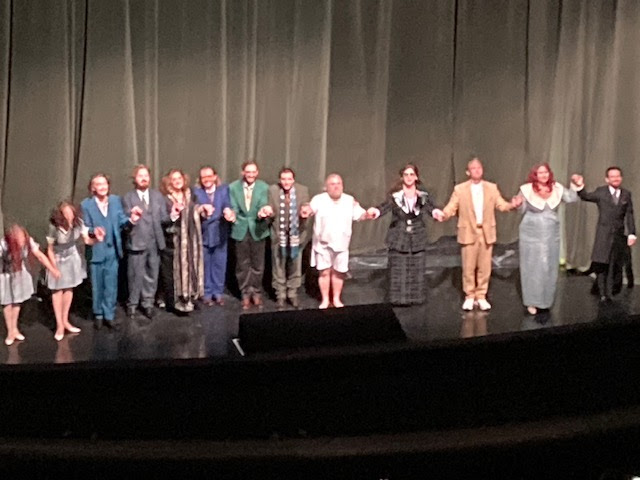
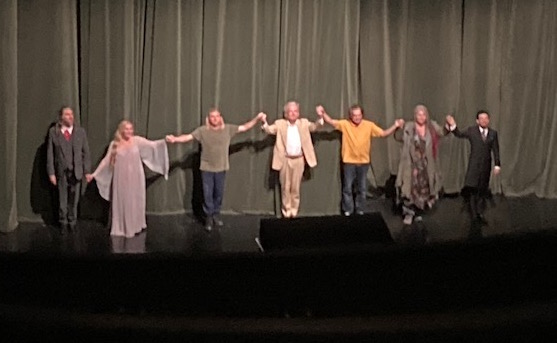
Os cantores foram excelentes. O tenor Andreas Schaeger, com comportamento muitas vezes ridículo (culpa da encenação), foi fantástico na interpretação. A voz é grande, extensa e aguentou com valentia toda a enorme extensão do papel, embora no final os agudos tenham quase desaparecido. O Mime do tenor Arnold Bezuyen foi muito bom, tem um tipo de voz bem adequado ao papel e o timbre é agradável. O baixo-barítono Tomasz Konieczny foi excelente mais uma vez como “wanderer” (Wotan) e, nesta produção, tem um papel central em toda a acção. Achei que foi melhor aqui que na Valquíria, voz sólida, forte, impositiva e convincente. 

O barítono Ólafur Sigurdarson esteve novamente bem. Tem um poderio vocal invejável. A Erda da mezzo Okka von der Damerau cumpriu com nobreza e a ave do bosque, a soprano Alexandra Steiner, não tendo um timbre bonito, ouviu-se sempre bem. Finalmente, a soprano Daniela Köhler foi uma Brünhilde fantástica, de voz muito potente, sempre afinada mas pouco flexível. Contudo, o público deu-lhe uma das maiores ovações da noite. Aliás, todos os cantores foram intensamente ovacionados e, até o maestro, escapou aos protestos.



*****


SIEGFRIED, Bayreuther Festspiele, August 2022

Siegfried continued to be unclear to me. Almost everything continues to focus on a dysfunctional wealthy family, far removed from Wagner's original idea. 

The 1st act takes place in the house of a street artist, who is preparing a birthday party for Siegfried. Mime appears dressed in a blue cape with stars, magical type, interacts with puppets that he sits around him and appears in a lighted side window like in a puppet theater. A red winged mask painting reappears. Siegfried destroys many of the puppets and forges a sword (the first of the opera's original symbolic objects), but pistols remain ubiquitous.

The 2nd act is inside the wealthy house seen previously. The dragon Fafner is here a dying old man with a private nurse and a folding bed. He dies of a heart attack and not by Siegfried's hand. The Rhine gold (in the form of a brass knuckle) is taken by Siegfried from the dying man and given to Fafner's companion, the young Hagan (the boy abducted from in the Rhine Gold, now a young adult), dressed in brown and black and with the cap . He behaves like Siegfried's friend, perhaps to gain his trust later on when they clash.

In the 3rd act, Erda walks with the illuminated pyramid that has been present since the first opera, but the meaning remains unclear. The release of Brünhilde's ring of fire by Siegfried is replaced in this production by removing the bandages from her face and head, after plastic surgery (which even works well given that she is a different singer). Grane, here a man in love with Brünhilde, is always between her and Siegfried, disturbing the final love scene.

Conductor Cornelius Meister had a best performance today, with the Festival Orchestra at the highest level. 

The singers were excellent. Tenor Andreas Schaeger, whose behavior is often ridiculous (guilty of the staging), was fantastic in the interpretation. The voice is big, extensive, and he has valiantly endured the entire vast expanse of the role., although at the end, the top notes almost disappeared. Tenor Arnold Bezuyen's Mime was very good, he has a type of voice that is well suited to the role and the timbre is pleasant. Bass-baritone Tomasz Konieczny was once again excellent as “wanderer” (Wotan) and, in this production, plays a central role in all the action. I thought it was better here than in Valkyrie, solid, strong, imposing and convincing voice.

Baritone Olafur Sigurdarson was again well. He has enviable vocal power. The Erda of mezzo Okka von der Damerau performed nobly and the bird of the forest, the soprano Alexandra Steiner, not having a beautiful timbre, was always heard well. Finally, soprano Daniela Köhler was a fantastic Brünhilde, with a very powerful voice, always in tune but not very flexible. However, the audience gave her one of the biggest ovations of the night. In fact, all the singers received intense ovations and, even the conductor, escaped the protests.

*****

quinta-feira, 11 de agosto de 2022

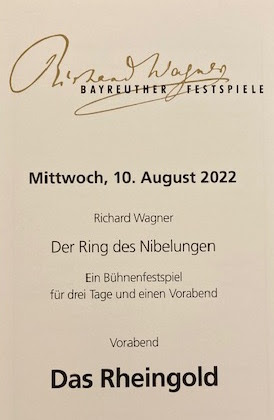
O OURO DO RENO / DAS RHEINGOLD – Festival de Bayreuth / Bayreuther Festspiele, Agosto / August 2022

(review in English below)

A nova produção do Festival de Bayreuth do ciclo do Anel do Nibelungo de R Wagner foi encenada pelo jovem austríaco Valentin Schwartz. É uma encenação moderna, muito afastada da concepção de Wagner. Apenas assisti ainda à primeira ópera, o Ouro do Reno, que me deixou perplexidade e muitas dúvidas, que espero ver clarificadas com o decorrer do ciclo.


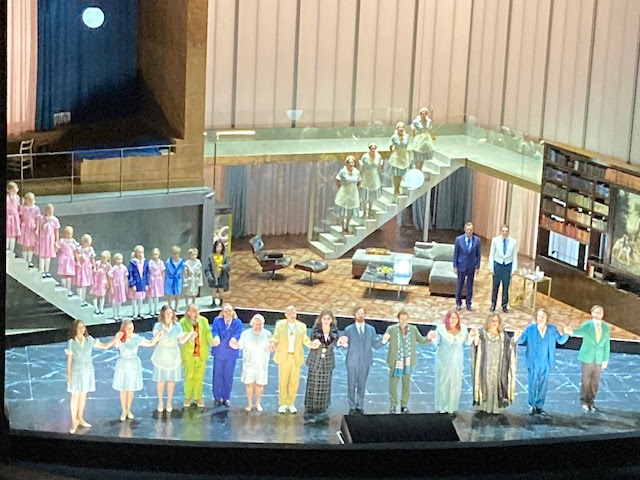
A ópera abre não nas águas do Reno mas com um filme de um liquido amniótico onde dois gémeos em gestação (Wotan e Alberich?) se agridem. A primeira cena passa-se numa pequena piscina onde Alberich é gozado pelas 3 filhas do Reno (empregadas de uma creche?) e por um grupo de 6 meninas loiras. Há uma 7ª criança, um rapaz de cabelos pretos e um boné amarelo e preto, com comportamento agressivo, que não se mistura com as restantes. No final é raptado pelo Alberich. Não há ouro, como não há nenhum dos outros adereços tradicionais da obra.

A 2ª e a 4ª cenas passam-se numa sala moderna, na garagem e num quarto anexo. Todos são personagens familiares muito abastados que interagem uns com os outros, há muitos criados e criadas mas não fazem nada. O Wotan é loiro, de calções. O Donner é jogador de golfe. Os gigantes, cabelos pretos, são os ocupantes do carro e parecem 2 mafiosos. É tudo muito estático. Claro que não há fogo nem elmo nem espada, apenas pistolas, muitas.

A 3ª cena é a mais bizarra para mim. O Nibelheim é uma creche envidraçada onde há 8 meninas loiras (serão as Valquírias?) a desenhar umas máscaras vermelhas aladas. São mal tratadas pelo rapaz de boné, que destrói os desenhos e grande parte do cenário, mas que aqui até parece ser filho de Alberich (será o Hagen em criança?). Enfim, muito difícil de entender, aparentemente sobre violência infantil, e qualquer semelhança com o original é mera coincidência. Veremos o que acontece nas próximas óperas...

A orquestra excelente e o maestro Cornelius Meister também teve uma direcção muito boa, mas muita gente não gostou. No final foi muito vaiado, no meio dos aplausos.

Os cantores muito bons, como seria de esperar. Admirei especialmente a soprano Elisabeth Teige (Freia) com uma voz brutal e bem timbrada, a mezzo Christa Mayer foi uma Fricka muito correcta e expressiva, e a mezzo Okka von der Damerau (Erda) também se impôs pela qualidade. 

O baixo Egils Silins foi um Wotan correcto mas de voz algo desgastada, o barítono Ólafur Sigurdarson foi um Alberich muito expressivo tanto no desempenho cénico (e a sua parte é exigente) como no vocal e o tenor Arnold Bezuyen fez um Mime excelente. O baixo Wilhelm Schwinghammer esteve bem como Fafner, qualitativamente acima do outro gigante, o baixo Jens-Erik Aasbo (Fasolt). 

Num patamar inferior esteve o baixo-barítono Raimund Nolte (Donner), o tenor Attilio Glaser (Froh) e, sobretudo, o tenor Daniel Kirch (Loge) que por vezes quase se não ouvia. Finalmente as 3 Filhas do Reno Lea-ann Dunbar (Woglinde), Stephanie Houtzeel (Wellunde) e Katie Stevenson (Flossilde) foram óptimas.


****

DAS RHEINGOLD  / THE RHEIN GOLD– Bayreuth Festival, August 2022

The new Bayreuth Festival production of the Ring of the Nibelung cycle was staged by the young Austrian Valentin Schwartz. It is a modern staging, far away from Wagner's conception. I only watched the first opera, Das Rheingold, which left me with perplexity and many doubts, which I hope to see clarified as the cycle progresses.

The opera opens not on the waters of the Rhine but within an amniotic fluid film in which two unborn twins (Wotan and Alberich?) attack each other. The first scene takes place in a small swimming pool where Alberich is teased by 3 daughters of the Rhein (employees at a daycare centre?) and by a group of 6 blonde girls. There is a 7th child, a boy with black hair and a yellow and black cap, with aggressive behavior, which does not mix with the others. In the end he is kidnapped by Alberich. There is no gold, as there are none of the work's other traditional props.

The 2nd and 4th scenes take place in a modern room, in the garage and in an annex bedroom. All are rich familiar characters that interact with each other, there are many maids but they do nothing. Wotan is blond, in shorts. Donner is a golfer. The giants, black hair, are the occupants of the car and look like 2 mobsters. It's all very static. Of course there is no fire or helmet or sword, only pistols, lots of them.

The 3rd scene is the most bizarre for me. The Nibelheim is a glassed-in daycare where there are 8 blonde girls (the Valkyries?) designing winged red masks. They are badly treated by the boy in the cap, who destroys the drawings and a large part of the scenery, but who here even seems to be Alberich's son (Hagen as a child?). Anyway, very difficult to understand, apparently about child violence, and any resemblance to the original is purely coincidental. We'll see what happens in the next operas...

The excellent orchestra and conductor Cornelius Meister also had a very good direction, but a lot of people didn't like it. In the end there was a lot of booing, amidst the applause.

The singers very good, as you would expect. I especially admired the soprano Elisabeth Teige (Freia) with a fabulous and well-timbred voice, mezzo Christa Mayer was a very correct and expressive Fricka, and mezzo Okka von der Damerau (Erda) also stood out for her quality.

Bass Egils Silins was a correct Wotan but with a slightly worn voice, baritone Ólafur Sigurdarson was a very expressive Alberich both in the scenic performance (and his part is demanding) and in the vocal and  tenor Arnold Bezuyen was an excellent Mime. Bass Wilhelm Schwinghammer was fine as Fafner, qualitatively above the other giant, bass Jens-Erik Aasbo (Fasolt).

On a lower level of quality were bass-baritone Raimund Nolte (Donner), tenor Attilio Glaser (Froh) and, above all, tenor Daniel Kirch (Loge), who was sometimes barely heard. 

Finally the 3 Daughters of the Rhein Lea-ann Dunbar (Woglinde), Stephanie Houtzeel (Wellunde) and Katie Stevenson (Flossilde) were great.

****