Mostrar mensagens com a etiqueta Anna Bolena. Mostrar todas as mensagens

domingo, 12 de fevereiro de 2017

ANNA BOLENA – Teatro Nacional de São Carlos, Lisboa / Lisbon, Fevereiro /February de 2017


(review in English below)

Uma das minhas óperas preferidas de Gaetano Donizetti, Anna Bolena, com libreto de Felice Romani, esteve em cena no Teatro de São Carlos, Lisboa.

A ópera centra-se na intriga urdida em Windsor pelo Rei Henrique VIII (Enrico) que, com o propósito de casar-se com a jovem Jane Seymour (Giovanna), promove a condenação à morte por adultério da sua segunda mulher, Anna Bolena, por quem estão apaixonados o pajem Smeton e Lord Percy, seu primeiro amor exilado pelo rei, que são incriminados na trama.


É uma obra de notável beleza melódica, recheada de árias, duetos e ensembles expressivos e de grande força dramática que ilustram os sentimentos e emoções dos protagonistas. Particularmente famosa é a cena final onde a rainha, à beira da morte e quando se escutam os canhões que anunciam o casamento de Henrique VIII com Jane Seymour, alterna momentos de lucidez e de delírio (Al dolce guidami castel natio), revive o matrimónio com o rei e o seu amor juvenil e, lamenta a morte dos inocentes e pede perdão para o casal perverso (Coppia iniqua).

Tive o privilégio de ver e ouvir grandes cantoras neste difícil e desafiante papel, incluindo Edita Gruberova e Anna Netrebko. A gravação da Callas em Milão (1957) é uma das minhas referências. Mas quero aqui recordar Mara Zampieri que, em 1984 em Lisboa, levou ao rubro o público em São Carlos e no Coliseu dos Recreios com a sua carismática interpretação, em récitas que ainda hoje recordo com emoção. Entre outros, teve a seu lado mais uma grande senhora da ópera, Fiorenza Cossoto (Giovanna). O que era e no que se transformou o Teatro Nacional de São Carlos!! (Mas este tópico fica para outra altura).


A encenação de Graham Vick é desinteressante e não ajuda em nada o desenrolar da ópera. O guarda-roupa de Paul Brown e a iluminação de Giuseppe di Iorio tentam fazer-nos crer que estamos no castelo de Windsor mas os adereços são parcos, repetitivos e não ajudam à fluidez da narrativa. Contudo, a dominância cromática, vermelho e negro, sugere o desfecho sombrio da ópera.


O maestro Gianpaolo Bisanti foi excessivamente espalhafatoso e barulhento na direcção da orquestra que tal como o coro cumpriram sem deslumbrar.

Anna Bolena foi interpretada pela soprano romena Elena Mosuc. Tem uma voz bem audível, apesar de o timbre não ser particularmente bonito. Mas o problema foi a opção da cantora na abordagem da personagem porque sacrificou a suavidade e musicalidade vocais em detrimento do volume, o que é fatal em Donizetti. Contudo, na ária Al dolce guidami esteve muito bem.  Foi pena não ter feito opção idêntica em todas as outras intervenções.


Jennifer Holloway, mezzo Norte Americana, foi uma Giovanna de voz muito agradável e melodiosa, apaixonada mas corroída pelo remorso perante a rainha. A figura da cantora também ajudou. Brilhou no dueto no início do 2º acto, O mia Regina!, mas esteve sempre bem.


Burak Bilgili, baixo-barítono turco fez um Enrico credível como rei tirano, apesar de a voz não ter uma amplitude assinalável. Contudo não deixou de se ouvir e manteve a qualidade ao longo da récita. Cenicamente foi menos interessante.


O tenor italiano Leonardo Cortellazzi foi uma agradável surpresa como Lord Percy. Tem uma voz limpa, ágil e bem projectada. O timbre é muito bonito deu elevada credibilidade à personagem. Cantou e representou e, para mim, foi o melhor em palco.


A mezzo norueguesa Lilly Jørstad fez um Smeton vocalmente correcto, bem audível, afinado e com boa presença cénica.


O tenor Marco Alves dos Santos como Hervey e o barítono Luís Rodrigues como Lord Rochefort foram as presenças portuguesas que não destoaram dos restantes.


***


ANNA BOLENA - Teatro São Carlos, Lisbon, February 2017

One of my favorite operas by Gaetano Donizetti, Anna Bolena, with libretto by Felice Romani, was on stage at the Teatro de São Carlos, Lisbon.

The opera focuses on the intrigue devised at Windsor by King Henry VIII (Enrico), who, for the purpose of marrying young Jane Seymour (Giovanna), promotes the condemnation to the death by adultery of his second wife, Anna Bolena, for whom are in love the page Smeton and Lord Percy, his first love exiled by the king, who are incriminated in the plot.

It is a work of remarkable melodic beauty, full of expressive arias, duets and ensembles of great dramatic force that illustrate the feelings and emotions of the protagonists. Particularly famous is the final scene where the queen, on the verge of death and when she can hear the cannons announcing the wedding of Henry VIII with Jane Seymour, alternates moments of lucidity and delirium (Al dolce guidami castel natio), revive her marriage with the king and her juvenile love and, mourns the death of the innocent and asks forgiveness for the perverse couple (Coppia iniqua).

I had the privilege of seeing and hearing great singers in this difficult and challenging role, including Edita Gruberova and Anna Netrebko. The recording of Callas in Milan (1957) is one of my references. But I want to remember Mara Zampieri who, in 1984 in Lisbon, took to the public in São Carlos and in the Coliseu dos Recreios with her charismatic interpretation, in performances that still I remember with emotion. Among others, she had at her side another great lady of the opera, Fiorenza Cossoto (Giovanna). What was and what became the National Theater of San Carlos in Lisbon!! (But this topic is for another time).

Graham Vick's staging is uninteresting and does not help the opera in any way. Paul Brown's costumes and lighting by Giuseppe di Iorio try to make us believe we are in Windsor Castle but the props are meager, repetitive and do not help the flow of the narrative. However, the chromatic dominance, red and black, suggests the dark ending of the opera.

Maestro Gianpaolo Bisanti made excessive movements and noises in the direction of the orchestra that, as the choir, were acceptable.

Anna Bolena was performed by Romanian soprano Elena Mosuc. She has a very audible voice, although the tone is not particularly beautiful. But the problem was the singer's choice in approaching the character because she sacrificed vocal softness and musicality to the detriment of volume, which is fatal with Donizetti. However, in the aria (Al dolce guidami) she was very well. It was unfortunate not to have made the same choice in all other interventions.

Jennifer Holloway, North American mezzo, was a very pleasant and melodious Giovanna, passionate but eroded by the remorse before the queen. The figure of the singer also helped. She was excellent in the duet at the beginning of the 2nd act, O mia Regina!, but she was always well.

Burak Bilgili, Turkish bass-baritone made a credible Enrico as tyrannical king, although the voice did not have a remarkable amplitude. However, he could always be heard and maintained the quality throughout the performance. Cenically he was less interesting.

Italian tenor Leonardo Cortellazzi was a pleasant surprise as Lord Percy. He has a clean, agile and well projected voice. The tone is very beautiful and he gave high credibility to the character. He sang and performed and, for me, was the best on stage.

Norwegian mezzo Lilly Jørstad made a vocally correct, well audible, tuned Smeton with good scenic presence.

Tenor Marco Alves dos Santos as Hervey and baritone Luís Rodrigues as Lord Rochefort were the Portuguese presences singing at the same level of quality as the others.


***

domingo, 10 de abril de 2016

ANNA BOLENA, METropolitan OPERA, Nova Iorque, Outubro de 2015 / October 2015

(review in English below)

Na recente encenação de David McVicar, tive oportunidade de ver esta representação da Anna Bolena, de G. Donizetti, na Metropolitan Opera.


Já transmitida na MetLive, a encenação é sóbria e eficaz, fiel ao libreto. O maestro foi Marco Armiliato e, mais uma vez, a Orquestra e o Coro da Metropolitan Opera estiveram ao mais alto nível.


A ópera é um pitéu de belcanto o que, para quem gosta, como é o meu caso, pode ser um excelente espectáculo. E assim foi, graças aos cantores que o tornaram verdadeiramente inesquecível.

Sondra Radvanovsky, soprano norte americano, foi uma Anna Bolena fabulosa. Para além da correcta presença em palco, a interpretação vocal foi, a todos os títulos, de excepção. Já a ouvira anteriormente e a potencia vocal avassaladora não foi para mim uma surpresa. Mas desta vez, para além do volume, foram alguns aspectos interpretativos que não lhe conhecia. Grande emotividade vocal e uns pianíssimos fabulosos foram algumas das muitas características com que nos brindou. O público reconheceu a grande qualidade da cantora que foi, justamente, uma das mais aplaudidas da noite.


Mas a verdadeira heroína do espectáculo foi Jamie Barton, jovem mezzo norte americana que cantou a  Giovanna (Jane Seymour). Quase roubou o protagonismo a Radvanovsky, tal o impacto vocal da sua interpretação. Voz aberta, belíssima, penetrante e segura em todos os registos. Faltou-lhe apenas um pouco de suavidade, mas isso foi um pequeno pormenor numa tão marcante prestação vocal. O dueto das duas protagonistas no início do 2º acto foi arrepiante. Em palco é prejudicada pela figura obesa e menos ágil, mas no canto é sensacional!


Também a um nível insuperável esteve o baixo russo Ildar Abdrazakov como Enrico (Henrique VIII). Já o ouvi várias vezes e mantém uma qualidade vocal de topo. Voz firme, muito melodiosa e sempre afinada. Não é um baixo eslavo típico, o que em nada prejudica a actuação. O cantor tem uma boa figura e é muito ágil, o que ajuda na caracterização da personagem.


Smeaton foi muito bem interpretado pelo mezzo norte americano Tamara Mumford que mostrou sempre uma voz segura, afinada, sem floreados exagerados e, sobretudo, muito eficaz em todas as intervenções.


O baritono David Crawford foi um Lord Rochefort digno que não destoou dos cantores solistas.


Quem ficou aquém do esperado foi o tenor americano Stephen Costello que interpretou o Riccardo Percy. Tem uma boa presença em palco e esteve globalmente bem. A sua coluna vocal impressionou no registo médio pela segurança e beleza, mas quando subiu aos agudos tudo se transformou. A voz perdia qualidade, mal se ouvia e ficava fora de tom. Penso que algo se passa com Costello pois nunca o tinha ouvido com esta fragilidade tão notável no registo agudo. Espero que a ultrapasse rapidamente pois parece ser um tenor com grande potencial.


Mas a noite foi das Senhoras que nos ofereceram um espectáculo inesquecível!


*****


Anna Bolena, Metropolitan Opera, New York, October 2015

In the recent staging of David McVicar, I had the opportunity to see this performance of Anna Bolena by G. Donizetti, at the Metropolitan Opera. Already seen in MetLive, the staging is sober and effective, faithful to the libretto.
The conductor was Marco Armiliato and, once again, the Orchestra and the Metropolitan Opera Choir were at the highest level.
This opera is a delicacy of belcanto which, for those who like it, as is my case, can be a great spectacle. And so it was, thanks to the singers who have made it truly unforgettable.

Sondra Radvanovsky, North American soprano, was a fabulous Anna Bolena. In addition to the correct presence on stage, her vocal interpretation was, in all respects, exceptional. I had heard her before and the overwhelming vocal power was not a surprise to me. But this time, in addition to the volume, she offered some interpretive aspects unknown to me. Great vocal emotion and fabulous pianissimos were some of the many characteristics with which we were offered. The public recognized the great interpretative quality of the singer, as she was one of the most applauded of the night.

But the real heroin of the performance was Jamie Barton, young North American mezzo who sang Giovanna (Jane Seymour). She almost stole the star leadership of Radvanovsky, such was the impact of vocal interpretation. She has an open, beautiful, penetrating and secure voice in all registers. She only lacked some softness, but this was a small detail in a so remarkable vocal performance. The duet of the two protagonists at the beginning of the 2nd act was fabulous. On stage she is not so exciting because she is big and less agile, but the singing is sensational!

Also unsurpassed was Russian bass Ildar Abdrazakov as Enrico (Henry VIII). I've heard him several times and his performance remains at top quality. The voice is firm, very melodious and always in tune. He is not a typical Slavic bass, which is not at all harmful to the interpretation. The singer has a good figure and is very agile, which helps the character on stage.

Smeaton was very well interpreted by the American mezzo Tamara Mumford who always showed a firm, tuned voice, without exaggerated flourishes and, above all, very effective in all parts.

Baritone David Crawford was a Lord Rochefort also at a high performance level when compared to the other soloist singers.

Who was below expectations was the American tenor Stephen Costello who played Riccardo Percy. He has a good stage presence and was generally very good. His vocal column impressed in the middle register, secure and beautiful, but when he had to rise to top notes everything changed. The voice lost quality, one could hardly listen, and was out of tune. I think something's wrong with Costello because I had never heard him with this so remarkable weakness in the higher register. I hope he overcomes quickly as he seems to be a tenor with great potential.

But the night belonged to the ladies who gave us an unforgettable vocal performance!


*****

quarta-feira, 8 de janeiro de 2014

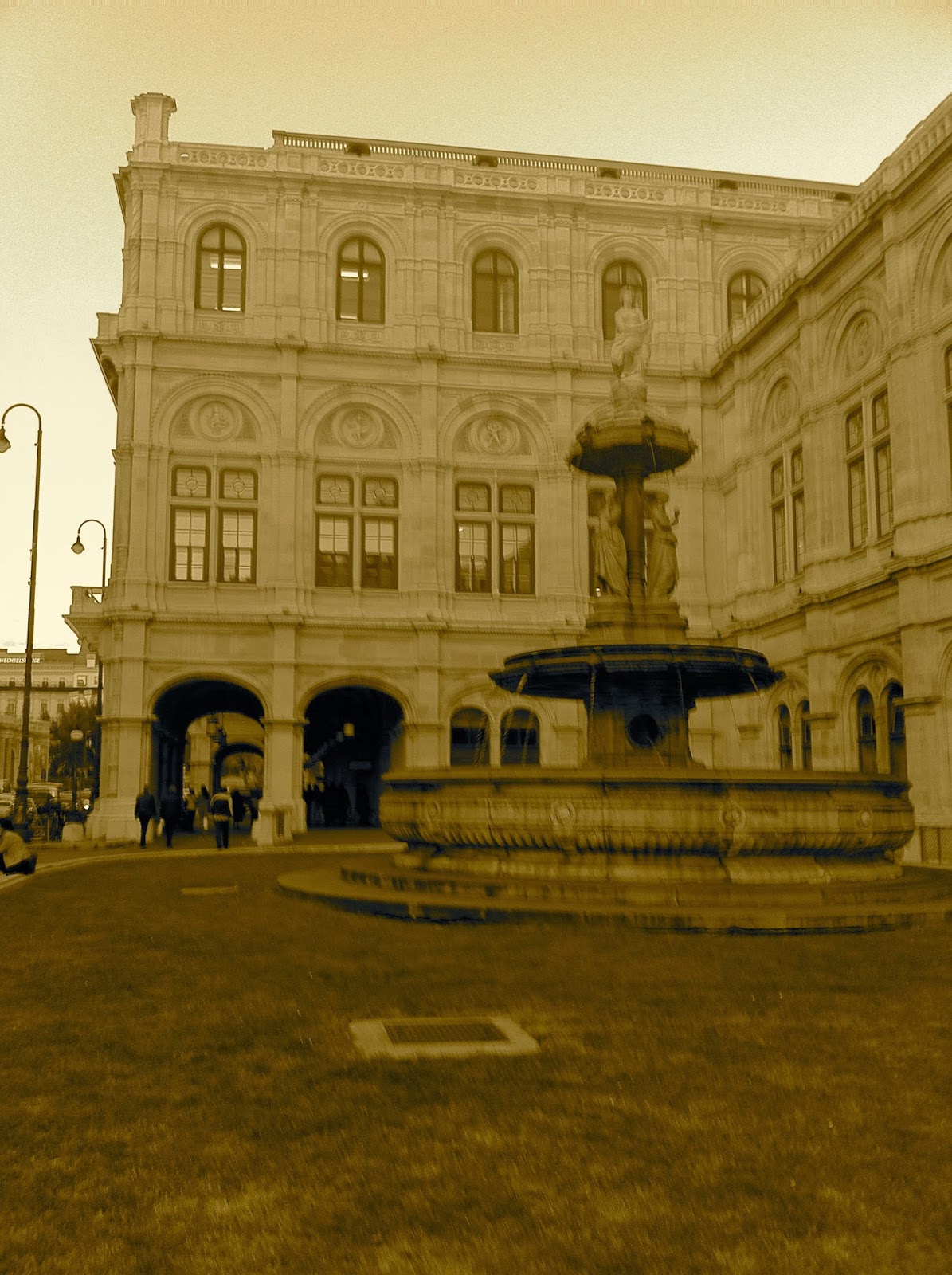
ANNA BOLENA de Gaetano Donizetti — Wiener Staatsoper, Outubro de 2013

(Review in English below)


Anna Bolena é uma tragédia lírica em dois actos com libreto de Felice Romani composta pelo compositor italiano Gaetano Donizetti. Foi composta e estreada em 1830 (26 de Dezembro, Teatro Carcano, Milão) e é não só a sua 31.ª ópera, como a sua primeira ópera verdadeiramente bem sucedida. É um dos expoentes operáticos do bel canto.


A ópera passa-se em 1536 e trata da famosa história de amor que levou Henrique VIII a divorciar-se de Catarina de Aragão para se casar com Anne Bolena e a uma clivagem de Inglaterra com a Igreja católica romana. O desfecho trágico é bem famoso: Anne Bolena é condenada à morte por traição e adultério, pretexto do rei para casar com Jane Seymour. Pode ler-se uma sinopse, por exemplo, numa entradaanterior do Fanático Um.


A encenação foi a de Eric Génovèse, estreada na produção da WSO de 2011 onde pontificaram Anna Netrebko e Elina Garanca. É de extremo bom gosto na encadeação cénica simples, na sumptuosidade do guarda-roupa e na direcção de actores. Uma encenação clássica, simples e sombria de alto nível. Este vídeo dessa produção demonstra o que deixei escrito.


A direcção da Orquestra da WSO esteve a cargo do maestro italiano Evelino Pidò. O lugar onde estava permitiu-me apreciar a riqueza da sua direcção musical: foi extraordinária do princípio ao fim e mostrou enorme conhecimento da obra e entrosamento com a orquestra. Fez a orquestra soar cristalina, com um ritmo perfeito e com um som donizettiano fabuloso. Foi, no meu ver, o melhor e mais destacado elemento da récita. O Coro da WSO esteve, igualmente, em elevado nível de desempenho.

Anna Bolena foi o soprano búlgaro Krassimira Stoyanova. Esteve em bom plano vocal e cénico. A voz é forte, bem projectada, com tessitura ampla e sempre equilibrada e com um bom equilíbrio entre o lírico e o dramático. A sua ária Al dolce guidami foi de elevada qualidade.

Giovanna Seymour foi o mezzo-soprano italiano Sonia Ganassi. A sua interpretação vocal foi de elevado nível, pois possui uma voz com agudos fáceis e um timbre muito adequado a que soube dar a expressividade e ambiguidade que a personagem exige. O seu dueto com Anna O mia Regina! foi muito bem interpretado.


Enrico foi o baixo-barítono italiano Luca Pisaroni. A sua voz tem um timbre belíssimo e conseguiu transmitir-nos muito eficazmente o sombrio da sua personagem. Um dos melhores da noite.

O tenor norte-americano Stephen Costello foi Lord Percy. A sua prestação não foi das mais emotivas ou estarrecedoras, embora tenha cumprido com eficácia o seu papel.

O mezzo-soprano ucraniano Zoryana Kushpler foi um Smeton de elevada qualidade e que ofereceu uma excelente prestação vocal e cénica.


Foi, portanto, uma récita de qualidade geral elevada com um excelente elenco, encenação de elevadíssima qualidade e uma qualidade interpretativa de Evelino Pidò de excelência.

---------
(Review in English)

Anna Bolena is a lyrical tragedy in two acts with libretto by Felice Romani composed by Italian composer Gaetano Donizetti. It was composed and premiered in 1830 (December 26, Teatro Carcano, Milan) and is not only their 31st opera, as his first truly successful opera. It is one of the exponents of operatic bel canto.

The opera takes place in 1536 and comes from the famous love story that led Henry VIII to divorce Catherine of Aragon to marry Anne Boleyn and cleavage of England with the Roman Catholic Church. The tragic outcome is quite famous: Anna Bolena is sentenced to death for treason and adultery, pretext of the king to marry Jane Seymour. You can read a synopsis, for example, a previous post by Fanatic One.

The Eric Genovese’s staging was premiered in the 2011 production of WSO where Anna Netrebko and Elina Garanca took the title roles. It is of extreme quality by its simple scenic seuences, its sumptuous wardrobe and actors direction. A classic, simple and somber staging of high level. This video demonstrates what I wrote about this production.

The direction of the WSO Orchestra was in charge of the Italian conductor Evelino Pido. The place where I was allowed me to appreciate the richness of his musical direction: it was extraordinary from start to finish and he showed great knowledge of the work and engagement with the orchestra. He made the orchestra sound crystal clear with perfect rhythm and fabulous donizettian sound. He was, in my view, the best and most prominent element of recitation. The WSO Choir was also in high performance level.

Anna Bolena was the Bulgarian soprano Krassimira Stoyanova. She was in good vocal and scenic plane. The voice is strong, well-designed, with wide tessitura and always balanced, with a good balance between the lyrical and dramatic. Her aria Al dolce guidami was of high quality.

Giovanna Seymour was the Italian mezzo-soprano Sonia Ganassi. Her vocal performance was high, as she has a voice with a very easy treble, an appropriate tone that achieved in expressiveness the ambiguity the character requires. Her duet with Anna Regina mia! was very well sunged.

Enrico was the Italian bass-baritone Luca Pisaroni. His voice has a beautiful tone and he managed to convey very effectively the darkness of his character. One of the best of the evening.

The American tenor Stephen Costello was Lord Percy. His performance was not the most emotional or appalling, although he has fulfilled his role effectively.

The Ukrainian mezzo-soprano Zoryana Kushpler as Smeton was in high quality performance level both vocal and scenically.


It was therefore a recitation of general high quality with a fine cast, staging of very high quality and with an Evelino Pido direction of excellence.