Mostrar mensagens com a etiqueta Pietro Mascagni. Mostrar todas as mensagens

sábado, 9 de julho de 2022

CAVALLERIA RUSTICANA / PAGLIACCI, Royal Opera House, Julho / July 2022

(review in English below)

As operas Cavalleria Rusticana de P Mascagni e Pagliacci de R Leoncavallo estiveram novamente em cena na Royal Opera House de Londres.


 A encenação de Damiano Michieletto é excelente! A acção decorre maioritariamente numa padaria (Cavalleria Rusticana) e no ambiente que a circunda, e num salão de festas (Pagliacci), numa Itália rural e atrasada da segunda metade do século passado. Em cada uma das óperas há uma ligação cénica clara à outra, um aspecto muito bem conseguido. Na Cavalleria Rusticana, o empregado mais novo da padaria é o Silvio da ópera Paglacci e nesta, no interlúdio, aparece a Santuzza a comunicar, por gestos, que está grávida, à mãe do Turiddu.

O palco rotativo mostra vários componentes dos cenários, tudo o que se passa na padaria é de excelente efeito cénico mas o momento mais conseguido é a recriminação da Santuzza pela imagem da Santa durante a procissão.

A direcção musical, excelente, foi do maestro titular Antonio Pappano e a orquestra esteve em grande forma.


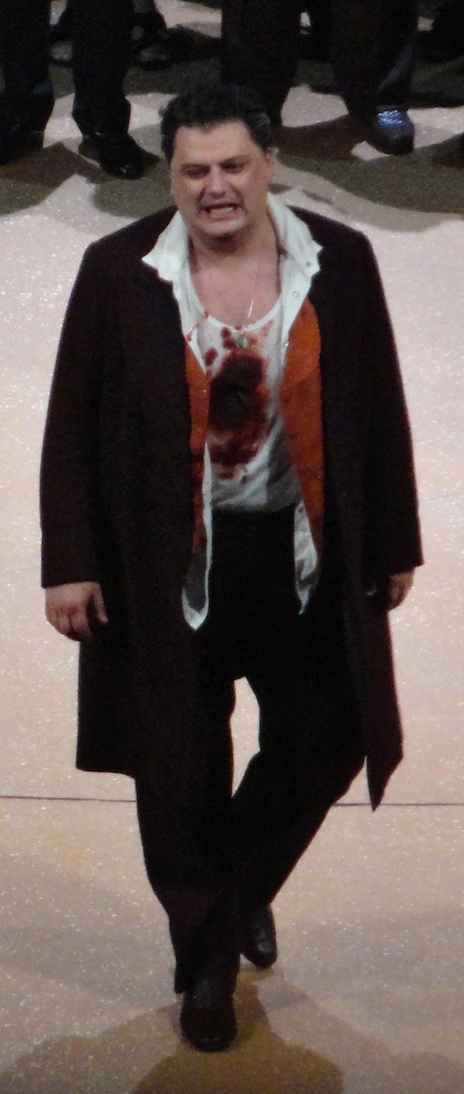
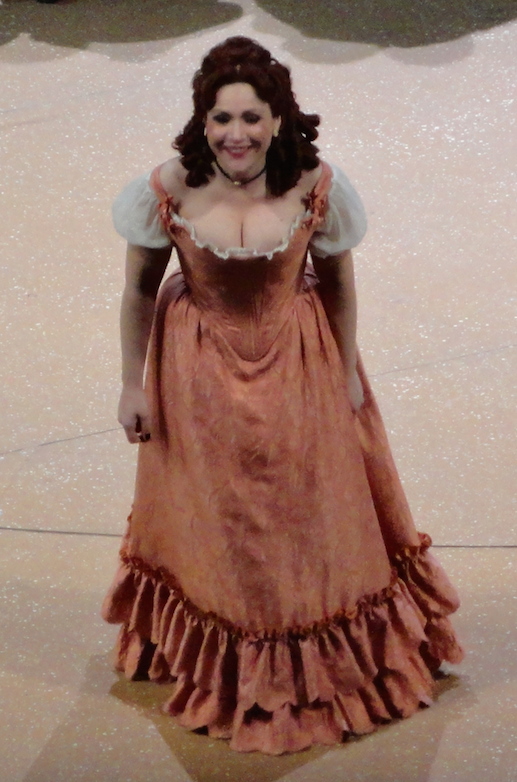
Em relação aos cantores solistas, houve 3 cancelamentos “major”: Anita Rachvelishvili, Ermonela Jaho e Jonas Kaufmann. Num naipe de excelentes cantores, a que mais se destacou foi Aleksandra Kurzak que interpretou a Santuzza e a Nedda. Foi óptima em todos os aspectos, voz grande, bonita, colorida e expressiva, associada a interpretações cénicas fantásticas. Excelente! Melhor seria impossível.


O barítono Dimitri Platanias também cantou nas 2 óperas. Foi Alfio e Tonio. Outro cantor muito bom, com um registo vocal médio assinalável. Interpretação correcta em cena, mas menos dinâmica que os restantes.
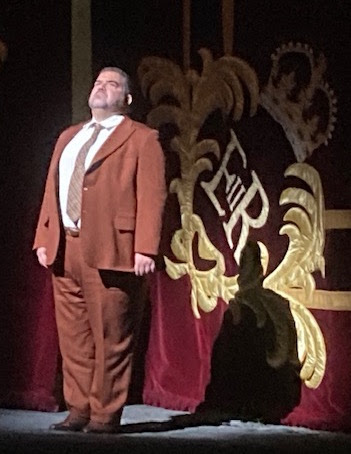

O tenor Seokjong Baek foi um intérprete superior do Turiddu, sobretudo estando a substituir o Kaufmann. Voz potente, de timbre bonito e sempre afinada. Dificilmente teríamos uma melhor interpretação vocal.
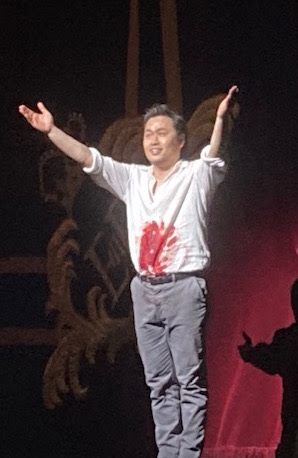
Elena Zilio repetiu a Mamma Lucia com a qualidade que já tínhamos apreciado quando vimos esta produção a primeira vez na ROH.

O Canio de Roberto Alagna, outra substituição do Kaufmann, foi bom. O cantor denota já algum desgaste vocal mas proporcionou-nos uma interpretação marcante num conjunto homogéneo de cantores de topo.

Deixo para o fim os cantores mais jovens que foram fantásticos! A Aigul Akhmetshina como Lola, o Egor Zhuravskii como Beppe, e, sobretudo, o Mattia Olivieri como Silvio.


Um espectáculo fantástico!


*****


CAVALLERIA RUSTICANA / PAGLIACCI, Royal Opera House, July 2022


The operas Cavalleria Rusticana by P Mascagni and Pagliacci by R Leoncavallo were once again on the scene at the Royal Opera House, London.

Damiano Michieletto's staging is excellent! The action takes place mainly in a bakery (Cavalleria Rusticana) and in the environment that surrounds it, and in a ballroom (Pagliacci), in rural and backward Italy in the second half of the last century. In each of the operas there is a clear scenic connection to the other, an aspect very well achieved. At Cavalleria Rusticana, the bakery's youngest employee is Silvio from the opera Paglacci and in this, in the interlude, Santuzza appears to communicate, by gestures, that she is pregnant, to Turiddu's mother. The rotating stage shows various components of the scenarios, everything that takes place in the bakery has an excellent scenic effect, but the most successful moment is Santuzza's recrimination for the image of the Saint during the procession.

The musical direction, excellent, was by the principal conductor Antonio Pappano and the orchestra was great.

Regarding soloist singers, there were 3 major cancellations: Anita Rachvelishvili, Ermonela Jaho and Jonas Kaufmann. In a group of excellent singers, the one who stood out the most was Aleksandra Kurzak who interpreted Santuzza and Nedda. She was great in all aspects, great, beautiful, colorful and expressive voice, associated with fantastic scenic interpretations. Fantastic! Better would be impossible.

Baritone Dimitri Platanias also sang in both operas. He was Alfio and Tonio. Another very good singer, with a remarkable vocal register. Correct interpretation on stage, but less dynamic than the others.

Tenor Seokjong Baek was a superior interpreter of Turiddu, especially as he replaced Kaufmann. Powerful voice, with a beautiful timbre and always in tune. We would hardly have a better vocal interpretation.

Elena Zilio repeated Mamma Lucia with the quality that we had already appreciated when we saw this production for the first time at ROH.

Roberto Alagna's Canio, another replacement for Kaufmann, was good. The singer already shows some vocal wear, but he provided us with a good interpretation in a homogeneous group of top singers.

I'll keep the younger singers who were fantastic for last! Aigul Akhmetshina as Lola, Egor Zhuravskii as Beppe, and, above all, Mattia Olivieri as Silvio.

A fantastic performance!

*****

sexta-feira, 24 de setembro de 2021

CAVALLERIA RUSTICANA, Aula Magna Reitoria da Universidade de Lisboa, Setembro 2021

(Review in English below)

Foi com muita emoção que voltei a assistir a uma opera encenada ao vivo, 18 meses depois! Foi a Cavalleria Rusticana de P Mascagni, numa encenação de Alfonso Romero, pela Orquestra e Coro Ópera na Academia e na Cidade, sob a direcção do maestro José Ferreira Lobo.


A Aula Magna da Reitoria da Universidade de Lisboa tem boas condições acústicas mas não é uma sala preparada para espectáculos de opera. A orquestra, muito numerosa, esteve no local das cadeiras doutorais e teve um desempenho notável.

No palco, uns painéis com rodas, umas cadeiras e uma mesa permitiram com inteligência criar os diferentes ambientes vividos no espectáculo, tendo sido perfeitamente perceptível toda opera.

Os solistas foram relativamente homogéneos em qualidade vocal e proporcionaram um bom espectáculo. Maria Ermolaeva foi uma Santuzza convincente com um desempenho vocal marcante.

 Pedro Rodrigues também esteve em grande nível na interpretação, cénica e vocal do Turiddu. 

Ana Santos foi uma mãe Lucia muito jovem mas não destoou. 

Gisela Sachse cumpriu com brilho o papel de Lola. 


Pedro Telles foi um Alfio excelente no desempenho cénico mas menos impressionante no vocal, deixando-se afogar frequentemente pela orquestra.


Para mim, um espectáculo inesquecível porque é uma ópera que gosto muito, foi bem interpretada, foi a minha estreia em ópera na Aula Magna da Reitoria da Universidade de Lisboa e, sobretudo, foi a primeira ópera ao vivo após 18 meses desta terrível pandemia que também arruinou a cultura!


***


CAVALLERIA RUSTICANA, Aula Magna de Reitoria da Universidade de Lisboa, September 2021

It was with great emotion that I went back to watching an opera staged live, 18 months later! It was Cavalleria Rusticana by P Mascagni, staged by Alfonso Romero, by the Orchestra and Coro Ópera in the Academy and in the City, under the direction of conductor José Ferreira Lobo.

The Aula Magna has good acoustic conditions but it is not a room prepared for opera performances. The orchestra was at the site of the doctoral chairs. On stage, panels with wheels, chairs and a table intelligently created the different environments experienced in the opera, with the entire opera being perfectly perceptible.

The Orchestra, very numerous and young, had a remarkable performance. The soloists were relatively homogeneous in vocal quality and provided a good show. Maria Ermolaeva was a convincing Santuzza with an outstanding vocal performance. Pedro Rodrigues was also at a great level in the interpretation, scenic and vocal of Turiddu. Ana Santos was a very young mother Lucia but she didn't clash. Gisela Sachse fulfilled the role of Lola with brilliance. Pedro Telles was an Alfio excellent in scenic performance but less impressive in vocals, often letting himself be drowned by the orchestra.

For me, an unforgettable performance because it's an opera I really like, it was well performed, it was my opera debut at the Aula Magna and, above all, it was the first live opera after 18 months of this terrible pandemic that also ruined the culture!

***

segunda-feira, 23 de julho de 2018

CAVALLERIA RUSTICANA / PAGLIACCI, Royal Opera House, Londres Dezembro 2017 / London December 2017

(review in English below)

Foi um privilégio rever na Royal Opera House de Londres as óperas Cavalleria Rusticana de P. Mascagni e Pagliacci de R Leoncavallo.

A encenação de Damiano Michieletto trouxe a acção para os finais do século passado e é fabulosa. Num palco rotativo mostra 3 cenários em sucessão e há elementos comuns às 2 óperas como um crucifixo grande, uma imagem da virgem Maria, e vários outros elementos. Nas duas óperas é retratado um povo rude e agressivo do sul da Itália, como bem referiu o camo_opera aqui. O guarda roupa é muito cuidado e adequado à época e a postura do coro (o povo) é irrepreensível.

A Cavalleria Rusticana começa com o Turiddu morto, numa poça de sangue, e a mãe Lucia, chorando a morte. Depois a história retoma o curso habitual, passa-se numa padaria e ao seu redor. Um dos empregados da padaria é o Silvio da ópera Pagliacci que, no interlúdio musical, oferece um lenço à cliente Nedda, por quem se apaixona após um beijo. Tudo decorre sem canto e só na segunda ópera se percebe esta ligação. Também são colados cartazes a anunciar a ópera Pagliacci, que aparecerão na segunda ópera. Na procissão a imagem da virgem Maria ganha vida e aponta o dedo acusador à Santuzza, pecadora, num dos momentos cenicamente mais marcantes. A ópera termina como começou, com a morte do Turiddu.


 Pagliaci decorre no que poderia ser um salão de festas de um bairro popular. Toda a acção se passa no salão, onde decorre o espectáculo dos palhaços, no camarim anexo, e nas redondezas. Nas portas, estão os cartazes que o anunciam, já vistos no primeiro acto. No interlúdio musical entre os dois actos, aparece a Santuzza ainda a chorar a morte do Turiddu, consolada por um padre e que se reconcilia com a Mamma Lucia, informando-a que está grávida. Novamente, tudo acontece em silêncio.


Foi uma das encenações mais conseguidas que vi destas óperas.

A direcção musical de Daniel Oren foi boa mas pobre de quem estava próximo: É daqueles maestros que grunhem e até eu, que estava longe, ouvia e ficava incomodado porque não só distraia como perturbava substancialmente a audição da música.


O tenor norte americano Bryan Hymel foi o Turiddu e o Canio. Foi excelente. Tem uma voz muito bonita, de agudos aparentemente fáceis, generosos e de belo efeito. Para além da interpretação vocal, esteve sempre muito bem em cena.


O barítono Mark Doss fez um Alfio de grande qualidade. Tem uma voz potente, bem timbrada e foi muito eficaz no desempenho cénico.

Num naipe de cantores de topo, destacou-se Elina Garanca com um desempenho arrasador! Voz sublime em beleza, potência e afinação e um desempenho irrepreensível. Transmitiu desespero, angústia e revolta e na cena da procissão esteve particularmente bem. É a Santuzza que Mascagni deverá ter idealizado!


A Mamma Lucia de Elena Zilio foi outra intérprete de excepção,  cantou de forma impecável e representou como se estivéssemos a ver um filme.

A Lola de Martina Belli foi muito expressiva, voz bonita, afinada e presença muito sensual no palco.

O Tonio foi interpretado pelo barítono inglês Simon Keenlyside e, também ele, não deixou os seus créditos por mãos alheias. Tem sempre uma óptima presença em palco e na interpretação vocal esteve ao mais alto nível. Felizmente que já deverá ter ultrapassado os graves problemas que teve com a voz.


Carmen Giannattasio foi uma Nedda óptima, outra intérprete excelente tanto no canto como no desempenho cénico. A voz é muito poderosa, afinada, apenas nas notas mais agudas é ligeiramente áspera.


O Silvio de Andrzej Filonczyk aliou à interpretação vocal expressiva e afinada uma postura cénica de superior qualidade.


Finalmente o português Luis Gomes esteve à altura dos restantes colegas, interpretando o Beppe com garra e qualidade, em particular quando fez de Arlecchino na peça. Bravo!


Mais um espectáculo de topo na Royal Opera House.

*****


CAVALLERIA RUSTICANA / PAGLIACCI Royal Opera House, London, December 2017

It was a privilege to review at the Royal Opera House in London the operas Cavalleria Rusticana by P. Mascagni and Pagliacci by R Leoncavallo.

The direction of Damiano Michieletto brought the action to the end of last century and is fabulous. In a rotating stage it shows 3 scenes in succession and there are elements common to the 2 operas as a great crucifix, an image of the virgin Mary, and several other elements. In both operas is portrayed a rude and aggressive people of the south of Italy, as well referred camo_opera here. The way the people are dressed is very careful and appropriate to the time and the posture of the choir (the people) is irreproachable.

Cavalleria Rusticana begins with Turiddu dead in a pool of blood, and Mother Lucia, mourning his death. Then the story takes up the usual course, it happens in a bakery and around it. One of the bakery's employees is Silvio from the opera Pagliacci who, in a musical interlude, offers a handkerchief to the client Nedda, whom he falls in love with after a kiss. Everything happens without singing and only in the second opera this connection is understood. Also posters announcing the opera Pagliacci are placed on the walls, that will appear in the second opera. In the procession the image of the virgin Mary comes alive and points an accusing finger at the sinful Santuzza in one of the most striking moments. The opera ends as it began, with the death of Turiddu.

 Pagliaci takes place in what could be a party hall of a popular neighborhood. All the action occurs in the hall, where the spectacle of the clowns takes place, in the attached dressing room, and in the surroundings. At the doors are the posters that announce the opera, already seen in the first opera. In the musical interlude between the two acts, Santuzza appears still crying the death of Turiddu, consoled by a priest. She is reconciled with Mamma Lucia, informing her that she is pregnant. Again, everything happens in silence.

It was one of the most accomplished productions I've seen of these operas.

The musical direction of Daniel Oren was good but poor of those who were near: He's one of those grunting maestros, and even me, who was far away, could hear and was annoyed because it not only distracted but substantially disturbed the hearing of the music.

North American tenor Bryan Hymel was Turiddu and Canio. He was excellent. He has a very beautiful voice, with seemingly easy, generous and beautiful top notes. In addition to vocal performance, he was always very well on the scene.

Baritone Mark Doss was a high-quality Alfio. he has a powerful nice voice and was very effective in scenic performance.

In a group of top singers, stood out Elina Garanca with an amazing performance! She has a sublime voice in beauty, power and tuning and a blameless performance. She transmitted despair, anguish and revolt, and in the scene of the procession was particularly well. She is the Santuzza that Mascagni must have idealized!

Mamma Lucia by Elena Zilio was another exceptional performer, sang impeccably and performed as if we were watching a movie.

Lola of Martina Belli was very expressive, beautiful voice, and very sensual presence on stage.

Tonio was interpreted by English baritone Simon Keenlyside and he also did not leave his credits by hands of others. He always has a great presence on stage and the vocal performance was at the highest level. Fortunately, he must have overcome the serious problems he had with his voice.

Carmen Giannattasio was an excellent Nedda, another great performer in both the singing and on stage. The voice is very powerful, tuned, only the top notes are slightly rough.

Silvio by Andrzej Filonczyk allied to the expressive vocal interpretation a scenic presence of superior quality.

Finally Portuguese Luis Gomes was up to the other colleagues, interpreting Beppe with claw and quality, in particular when he made Arlecchino in the play. Bravo!

Another top performance at the Royal Opera House.

*****

sábado, 5 de dezembro de 2015

CAVALLERIA RUSTICANA / PAGLIACCI Royal Opera House, Londres, Dezembro 2015 / London, December 2015

(review in English below)

Estão em cena na Royal Opera House de Londres as duas operas do verismo italiano que mais vezes se apresentam em conjunto – Cavalleria Rusticana de P Mascagni e Pagliacci de R Leoncavallo.

A encenação, da equipa chefiada pelo italiano Damiano Michieletto, é fantástica. Numa abordagem convencional, trouxe a acção para os finais do século passado e fez várias pontes de ligação entre as duas operas. O palco é rotativo, permitindo mostrar 3 cenários sucessivamente e há elementos comuns como um crucifixo grande, uma imagem da virgem Maria, e vários outros elementos.


A Cavalleria Rusticana começa com o Turiddu morto, numa poça de sangue, e a mãe Lucia, lamentando a morte. Depois a história retoma o curso habitual, passa-se numa padaria e ao seu redor. Um dos empregados da padaria é o Silvio da ópera Pagliacci que, num interlúdio musical, oferece um lenço à cliente Nedda, por quem se apaixona, e beijam-se. Tudo decorre sem canto e só na segunda ópera se percebe esta ligação. Também são colados cartazes a anunciar a ópera Pagliacci, que aparecerão na segunda ópera. Na procissão a imagem da virgem Maria ganha vida e aponta o dedo à Santuzza, pecadora, num dos momentos cenicamente mais marcantes. A ópera termina como começou, com a morte do Turiddu.

(Fotografia / Photo Catherine Ashmore, Royal Opera House)

(Fotografia / Photo Catherine Ashmore, Royal Opera House)

 Pagliaci decorre no que poderá ser um salão de festas de um bairro popular. Toda a acção se passa no salão, onde decorre o espectáculo dos palhaços, no camarim anexo, e nas redondezas. Nas portas, estão os cartazes que anunciam o espectáculo, já vistos no primeiro acto. A produção é bem melhor que a da ópera anterior, há uma simbiose perfeita entre a realidade e o espectáculo dos palhaços. No interlúdio musical entre os dois actos, aparece a Santuzza ainda a chorar a morte do Turiddu, consolada por um padre e que se reconcilia com a Mamma Lucia, informando-a que está grávida. Novamente, tudo acontece em silêncio.

(Fotografia / Photo Catherine Ashmore, Royal Opera House)

(Fotografia / Photo Catherine Ashmore, Royal Opera House)


Foi uma das encenações mais conseguidas que vi destas óperas, mas no público houve quem não gostasse, pois houve alguns booos entre os aplausos muito entusiásticos da maioria.


A direcção musical, excelente, foi de Antonio Pappano.


O tenor Aleksandrs Antonenko foi o Turiddu e o Canio. Teve uma óptima interpretação vocal, sobretudo como Canio. O registo médio da voz é excelente, mas nos agudos por vezes parece ter dificuldades, embora sempre bem audível. Não é um actor nato e isso reflecte-se no desempenho, embora na ópera Pagliacci tenha estado ao mais alto nível.


O barítono Dimitri Platanias também cantou dois papéis, Alfio na primeira e Tonio na segunda ópera. Tem uma voz poderosíssima, muito expressiva e bem timbrada. Também achei que a interpretação foi melhor em Pagliacci onde, logo no prólogo, foi absolutamente sensacional.


Eva-Maria Westbroek foi uma Santuzza desesperada e revoltada, de voz enorme e expressiva, mas com um vibrato excessivo. Na cena da procissão esteve particularmente bem, quer cénica quer vocalmente, sempre sobre a orquestra e o (enorme) coro.


Fantástica foi a Mamma Lucia de Elena Zilio. Cantou de forma impecável e representou como se estivéssemos a ver um filme.


A Lola de Martina Velli também foi muito expressiva, voz bonita, afinada e presença muito sensual no palco.


Carmen Giannattasio foi uma Nedda fabulosa, outra intérprete excelente tanto no canto como no desempenho cénico. A voz é muito poderosa, afinada, bonita, apenas nas notas mais agudas tem uma ligeira tendência para a estridência.


Também Dionysios Sourbis como Silvio foi outro intérprete de grande qualidade que aliou à interpretação vocal doce e expressiva uma postura cénica de superior qualidade.


Mais um espectáculo de grande qualidade na Royal Opera House.


*****


CAVALLERIA RUSTICANA / PAGLIACCI Royal Opera House, London, December 2015

On stage at the Royal Opera House in London are the two operas of the Italian verismo that more often are presented together - Cavalleria Rusticana by P Mascagni, and Pagliacci by R Leoncavallo.

The Italian director, Damiano Michieletto, did a fantastic job. In a conventional approach, he brought the action to the end of the last century and made several bridges linking the two operas. The stage is rotatable, allowing three scenarios show successively and there are common elements to the two operas such as a large crucifix, an image of the Virgin Mary, and various others.

Cavalleria Rusticana begins with Turiddu dead in a pool of blood, and mother Lucia, mourning the death. After, the story takes the usual course, takes place in a bakery and around. One of the bakery employees is of Silvio from the opera Pagliacci, during a musical interlude he offers a scarf to customer Nedda, with whom he falls in love, after a kiss. It all stems without singing and this link is perceived only during the second opera. Posters announcing the opera Pagliacci are also pasted, which will appear in the second opera. In the procession the image of the Virgin Mary comes to life and points the finger at Santuzza, sinful, one of the scenically most memorable moments. The opera ends as it began, with the death of Turiddu.

 Pagliaci takes place in what could be a ballroom of a popular neighborhood. The entire action takes place in the hall where the show takes place, in the dressing room, and nearby. On the doors are posters advertising the show, already seen in the first opera. This production is much better than the previous opera, there is a perfect symbiosis between reality and the show of the clowns. In the musical interlude between two acts, Santuzza appears, still mourning the death of Turiddu, consoled by a priest and reconciliates with Mamma Lucia, informing her that she is pregnant. Again, everything happens in silence.

It was one of the most accomplished performances I saw of these operas, but in the audience there were those who did not appreciate, because there were some booos among the very enthusiastic applause of the majority.

The great musical direction was by Antonio Pappano.

Tenor Aleksandrs Antonenko was Turiddu and Canio. We had a great vocal performance, especially as Canio. The medium register of his voice was excellent, but in the top notes sometimes he seemed to have difficulties, though he was always well audible. He is not a born actor and this is reflected in the performance, although in Pagliacci he has been at the highest level.

Baritone Dimitri Platanias also sang two roles, Alfio and Tonio in the first second operas. He has a powerful and very expressive voice. I also found that the performance was better in Pagliacci where as early as the prologue, he was absolutely sensational.

Eva-Maria Westbroek was a desperate and revengeful Santuzza, her voice was huge and expressive, but with excessive vibrato. In the procession scene she was particularly well both scenic and vocally, always over the orchestra and the (huge) choir.

Fantastic was Elena Zilio’s the Mamma Lucia. She sang flawlessly and performed as if we were watching a movie.

Martina Velli's Lola was also very expressive, with a beautiful tuned voice, and a very sensual stage presence.

Carmen Giannattasio was a fabulous Nedda, another great performer both vocally and onstage. The voice is very powerful, refined, beautiful, only on high notes she has a slight tendency to shrillness.

Also Dionysios Sourbis as Silvio was another high quality interpreter who teamed with sweet and expressive vocal interpretation a stage performance of superior quality.

Another great quality performance at the Royal Opera House.


*****