O Cavaleiro da Rosa de Richard
Strauss, com libretto de Hugo von
Hofmannsthal, esteve em cena na Metropolitan
Opera House de Nova Iorque. Oficialmente é a despedida da Renée Fleming da
opera. Veremos…

A encenação é de Robert Carsen. A acção foi colocada no
início do século passado, parodiando uma aristocracia decadente. O primeiro acto
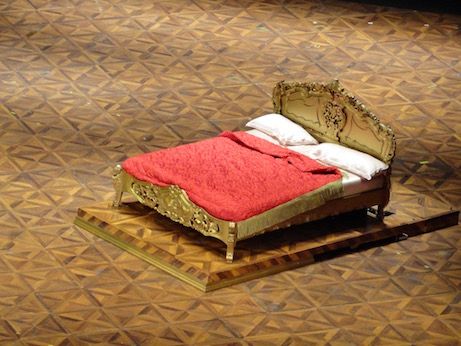
passa-se num salão cheio de retratos de nobres e com uma enorme cama num dos
lados. Muita da acção passa-se sobre a cama. Há um corredor com passagem para
várias outras salas, das quais só se vê o acesso e as enormes portas.
No segundo, as
paredes estão revestidas de pinturas gregas e no início há 2 enormes canhões no
palco. Herr von Faninal o pai de Sophie é comerciante de armas. O pessoal está
todo armado com espingardas e pistolas. A valsa vienense final é caricaturada por "militares" que a dançam sem par.
O terceiro acto passa-se
num bordel, propriedade de um homem que aparece como travesti, com as paredes revestidas
de quadros de mulheres despidas. Há um interessante efeito visual quando por
detrás destes aparecem dançarinas exóticas em determinados momentos. Apesar do
ambiente burlesco, a cena final é de belo efeito.

O maestro Sebastian Weigle ofereceu-nos uma
interpretação muito correcta, a fazer justiça à partitura e à música de
Strauss. A Orquestra esteve ao mais alto nível.

O Octavian da
mezzo Elina Garanca foi insuperável.
A voz é excepcional e o desempenho cénico irrepreensível, apesar de no 3º acto
aparecer vestida como um travesti que torna excessivamente ridícula a situação,
apesar de se passar num bordel. Mas nas duas vezes que aparece disfarçada de Mariandel
é cenicamente brilhante e sempre muito cómica. Em contraste total, no segundo
acto, quando apresenta a rosa prateada a Sophie, tem um desempenho vocal de
grande emotividade e beleza, tal como no terceto final.


A Marechala (Princesa
Marie Therèse von Werdenberg) da soprano Renée Fleming
apareceu sempre magnífica em palco, a voz mantém grande qualidade, é um soprano
cremoso e ágil, mas a personagem merecia um pouco de mais introspecção que não
existiu. A confrontação com o inevitável envelhecer e a natural evolução da vida
não tiveram grande expressividade. Apenas no terceto final foi mais emotiva.


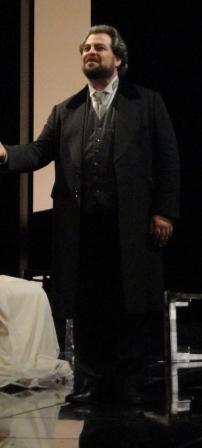
O Barão Oches do
baixo Günther Groissböck foi outro
intérprete excepcional. O cantor tem uma voz bonita, sempre bem colocada e
audível ao longo de toda a sua longa interpretação. Cenicamente foi muito
cómico, a encenação também ajuda, mas a idade nem tanto. É muito novo para o
papel (tem 40 anos), o que não lhe tirou qualidade interpretativa mas obrigou-o
a preparar cada pormenor da sua interpretação para que não perdesse a
comicidade desejável. E conseguiu-o.


O cantor italiano
foi o tenor Matthew Polenzani que
cantou afinado mas o timbre estava estranho.

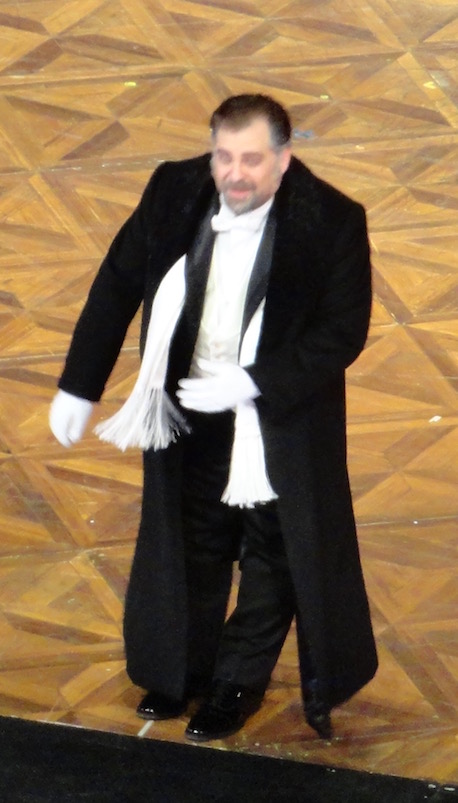
O Barítono Markus Brück fez Herr von Faninal muito
credível, sempre bem audível e com boa presença em palco.
A soprano Kathleen Kim esteve também fantástica
como Sophie. Soprano de grande qualidade esteve sempre bem no registo mais
agudo, em perfeito contraponto com a Garanca.


*****
DER
ROSENKAVALIER, METropolitan Opera, April 2017
Richard Strauss's Der
Rosenkavalier, with libretto by Hugo
von Hofmannsthal, was on stage at the Metropolitan
Opera House in New York. Officially it was Renée Fleming's farewell to the
opera. We'll see…
The staging
was by Robert Carsen. The action was
set at the beginning of the last century, parodying a decadent aristocracy. The
first act takes place in a hall full of portraits of nobles and with a huge bed
on one side. Much of the action is spent on or around the bed. There is a
corridor with passage to several other rooms, from which you can only see the
access and the huge doors.
In the
second act, the walls are lined with Greek paintings and at the beginning there
are 2 huge cannons on the stage. Herr von Faninal, Sophie's father is a gun
dealer. The people are all armed with rifles and pistols.
The third
act takes place in a brothel owned by a man who appears as a transvesti, with
the walls covered with pictures of naked women. There is an interesting visual
effect when behind them exotic dancers appear at certain times. Despite the
burlesque atmosphere, the final scene is of beautiful effect.
Maestro Sebastian Weigle gave us a very correct
interpretation, according to the score and the music of Strauss. The Orchestra
was at the highest level.
Octavian by
mezzo Elina Garanca was unsurpassed.
Her voice is exceptional and the stage performance impeccable, although in the
3rd act she appears dressed like a transvesti that makes the situation
excessively ridiculous, although it happens in a brothel. But the two times
that she appears disguised as Mariandel she is brilliant and always very
comical. In total contrast, in the second act, when presenting the silver rose
to Sophie, she has a vocal performance of great emotion and beauty, as in the
final trio.
The
Marschallin of soprano Renée Fleming
appeared always magnificent on stage, the voice maintains great quality, is a
creamy and agile soprano, but the personage deserved a little more
introspection that did not exist. The confrontation with the inevitable aging
and the natural evolution of life did not have great expressiveness. Only in
the final trio she was more emotional.
Baron Ochs
of bass Günther Groissböck was
another outstanding performer. The singer has a beautiful voice, always in tune
and well audible throughout his long performance. On stage he was very
humorous, the staging also helped, but his age not so much. He is very young
for the role (he is 40 years old), which did not jeopardize his interpretive
quality but forced him to prepare every detail of his interpretation so that he
did not lose the desirable comedy. And he got it.
The Italian
singer was tenor Matthew Polenzani
who sang in tune but his timbre was strange.
Baritone Markus Brück made a very credible Herr
von Faninal, always well audible and with good stage presence.
Soprano Kathleen Kim was also fantastic as
Sophie. She was always well on her high soprano, in perfect counterpoint with
Garanca.
*****