Mostrar mensagens com a etiqueta Stefan Cerny. Mostrar todas as mensagens

domingo, 9 de fevereiro de 2020

A FLAUTA MÁGICA / DIE ZAUBERFLÖTE, Royal Opera House, Londres / London, Novembro / November 2019


(review in English below)


Assisti pela primeira vez à aclamada encenação de David McVicar na Royal Opera House de Londres da Flauta Mágica de Mozart.


No início é excelente, cheia de elementos muito vistosos (a cobra, a ave que o Papageno quer apanhar, o próprio Papageno, as damas da Rainha da Noite, as crianças) mas parece que as boas ideias acabam na primeira meia hora de espectáculo, tornando-se depois escura e repetitiva. E é também bastante infantil para o meu gosto.


O maestro Leo Hussain foi mau, conduziu a orquestra de forma empastelada, sem vivacidade e não se preocupou com as entradas dos cantores, tendo havido muitos desencontros.


O Papageno (barítono Vito Pirante) foi vocalmente correcto mas não empolgante, embora com um desempenho cénico muito bom.
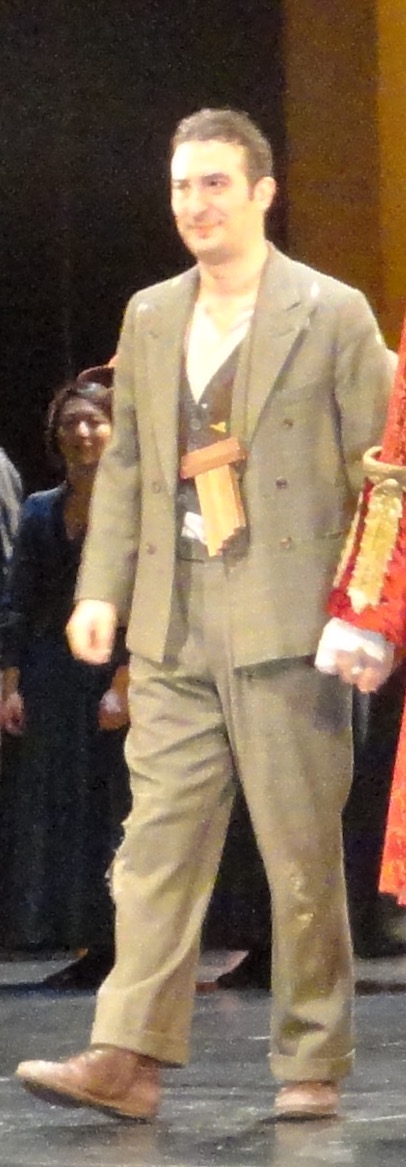


O Tamino (tenor Benjamin Hulett) tem um timbre agradável e projecta bem a voz mas foi irregular, alternando partes muito boas com outras em que esteve em manifestas dificuldades.


A Rainha da Noite (soprano Christina Poulitsi) interpretou de forma irrepreensível a ária “Der Hölle Rache kocht in meinem Herzen” mas no início cantou sem força, parecia que estava num ensaio.
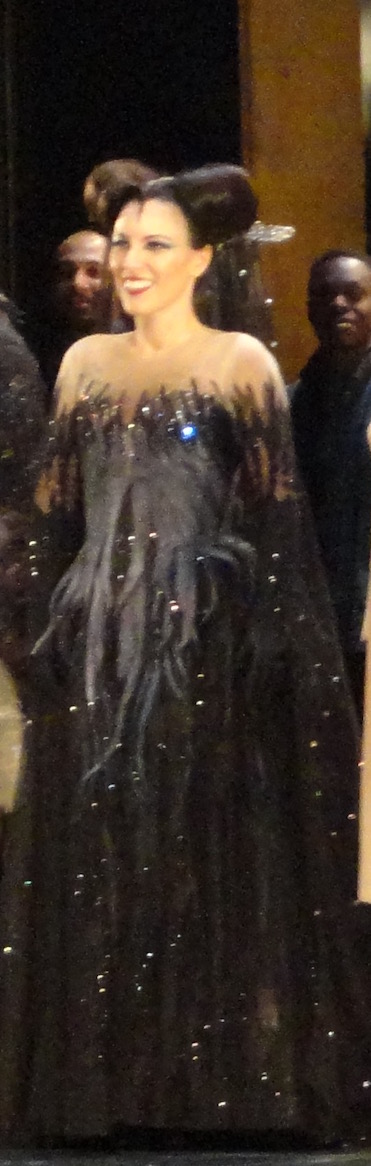

A Pamina (soprano Elsa Dreisig, uma desconhecida para mim) tem uma voz brutal, em potência e afinação. Faltou-lhe, contudo, o ar ingénuo e inseguro da personagem, mas foi impressionante no canto.


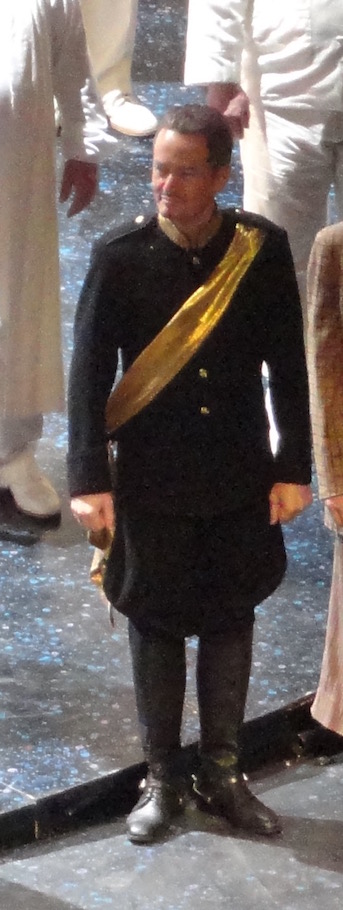
Também excelente foi o Sarastro (baixo Stefan Cerny), um cantor jovem com um vozeirão impressionante, muito melodioso e sempre afinado. A figura é jovem para a personagem, mas este aspecto é secundário, para mim foi o melhor da noite.


Dos papéis secundários o Monostatos (Rodell Rosel)e a Papagena (Yaritza Vélez) cumpriram sem encantar, 


as 3 damas foram bem mas por vezes gritaram mais que cantaram 


e os 3 rapazes foram muito engraçados em palco.


***

THE MAGIC FLUTE / DIE ZAUBERFLÖTE, Royal Opera House, London, November 2019

I attended for the first time David McVicar's acclaimed production at the Royal Opera House in London of Mozart´s Magic Flute.
At the beginning it is excellent, full of very showy elements (the snake, the bird Papageno wants to catch, Papageno himself, the Queen's ladies, the children) but it seems that good ideas end in the first half hour of the show, then becoming dark and repetitive. And it's also quite childish for me.

Maestro Leo Hussain was bad, conducting the orchestra without liveliness, and not caring about the singers' entrances, and there were many mismatches.

Papageno (baritone Vito Pirante) was vocally correct but not exciting, although with a very good scenic performance.

Tamino (tenor Benjamin Hulett) has a nice timbre and projects his voice well but was irregular, alternating very good parts with others in which he was in obvious difficulty.

The Queen of the Night (soprano Christina Poulitsi) blamelessly interpreted the aria "Der Hölle Rache kocht in meinem Herzen" but at first she sang without strength, it seemed that she was in a rehearsal.

Pamina (soprano Elsa Dreisig, a stranger to me) has a brutal voice, in power and tuning. However, she lacked the character's naive and insecure behavior, but was impressive in the singing.

Also excellent was Sarastro (bass Stefan Cerny), a young singer with an impressive, very melodious and always in tune voice. The figure is young for the character, but this aspect is secondary, for me he was the best of the night.

Among the supporting roles Monostatos (Rodell Rosel) and Papagena (Yaritza Vélez) performed without enchantment, the 3 ladies did well but sometimes shouted more than sang, and the 3 boys were very funny on stage.

***

domingo, 7 de outubro de 2018

FIDELIO, Staatsoper Viena, Abril / April 2018


(review in English below)

A Ópera de Viena há muitos anos que mantém a encenação de Otto Schenk da ópera Fidelio, a única composta por Beethoven. E quando se vê, compreende-se. É uma abordagem clássica mas muito bem conseguida com todos os cenários relacionados com a prisão e suas masmorras. Apesar do ambiente escuro da maioria da obra, tudo se vê e percebe muito bem.

A direcção musical, excelente, foi do maestro Adam Fischer


A Orquestra, Coro e extra-coro da Wiener Staatsoper foram soberbos nas suas interpretações e estas são absolutamente cruciais e dominantes em toda a ópera, tendo o final do 2º acto sido arrasador (e o público aqui sabe distinguir o bom do sublime).


Nos solistas houve equilíbrio e qualidade de topo. A soprano  Ricarda Merbeth foi um Fidelio / Leonore excelente, voz potente, afinada em todos os registos, sempre bem audível.


A outra solista feminina, soprano Ileana Tonca, fez uma Marzelline de voz leve, e doce, com uma presença muito agradável em palco.


Os homens brilharam. O baixo Stefan Cerny, em estreia na Ópera de Viena, fez um Rocco irrepreensível, com voz potente, muito bonita e um registo grave impressionante. Para mim o melhor da noite. O público também o distinguiu com um muito longo aplauso.


Outra voz de excepção foi a do baixo-barítono Tomasz Konieczny que encarnou o mau da peça, Don Pizarro. Interpretação cénica muito convincente, timbre vocal muito agradável e sempre audível sobre a orquestra.


O Florestan do tenor Peter Seiffert foi uma agradável surpresa para mim. Já o ouvi “estoirar” completamente em papéis wagnerianos mas nesta noite tal não aconteceu e mostrou que, quando pode, também é um cantor de topo, com um assinalável instrumento musical.


Nos papéis secundários, o barítono Clemens Unterreiner deu boa conta do Don Fernando e o tenor Wolfram Igor Derntl como Jaquino foi correcto mas sem o brilho dos colegas.


Um espectáculo excelente!


*****


FIDELIO, Staatsoper Vienna, April 2018

The Vienna Opera House has for many years maintained Otto Schenk's staging of the opera Fidelio, the only one composed by Beethoven. And when we see it, we understand why. It is an excellent classic approach with all the scenarios related to the prison and its dungeons. Despite the dark environment of most of the work, everything is seen and perceived very well.

The musical direction, excellent, was the maestro Adam Fischer. The Wiener Staatsoper Orchestra, Choir and extra-chorus were superb in their performances and these are absolutely crucial and dominant throughout this opera, with the end of the second act being overwhelming (and the audience here knows how to distinguish the good from the sublime).

In the soloists there was balance and top quality. Soprano Ricarda Merbeth was an excellent Fidelio / Leonore, powerful voice, tuned in every register, always well audible.

The other female soloist, soprano Ileana Tonca, wasa light and sweet Marzelline, with a very pleasant presence on stage.

The men were fantastic. Bass Stefan Cerny, in debut in the Opera of Vienna, was an irreproachable Rocco, with powerful voice, very beautiful and impressive low register. For me he was the best of the night. The audience also distinguished him with a very long applause.

Another voice of exception was that of bass-baritone Tomasz Konieczny who incarnated the bad of the piece, Don Pizarro. Very convincing stage interpretation, very pleasant vocal tone and always audible over the orchestra.

Tenor Peter Seiffert was a pleasant Florestan that surprised me. I've heard him completely "break out" in Wagnerian roles but tonight this did not happen and he showed that when he can, he is also a top singer with a remarkable musical instrument.

In secondary roles, baritone Clemens Unterreiner was a good Don Fernando and tenor Wolfram Igor Derntl as Jaquino was correct but without the brilliance of his colleagues.

An excellent performance!

*****

terça-feira, 3 de janeiro de 2017

A FLAUTA MÁGICA / DIE ZAUBERFLÖTE, Volksoper Wien, Novembro / November 2016

(review in English below)

Assisti à Ópera A Flauta Mágica, de W.A. Mozart, na Volksoper de Viena. A sala é sóbria e despida de ornamentos, num contraste total com a famosa e exuberante opera estatal.


A produção de Alfred Eschwé é vistosa e bem conseguida, respeitando quase à letra o libreto. Mesmo para quem não conhece a história, a encenação é tão explícita que permite acompanhá-la. O palco tem frequentemente um fosso a meio, donde aparecem vários intervenientes durante o espectáculo. Uns painéis laterais que se abrem ou fecham completam e permitem com grande eficácia as muitas mudanças de cenário.

O maestro Helmuth Lohner teve uma direcção correcta mas pouco vibrante, sobretudo no início, que foi excessivamente lento.


Os cantores, todos jovens solistas que não conhecia, foram uma agradável surpresa.

O baixo austríaco Stefan Cerny foi um Sarastro excepcional e entre os melhores que tenho ouvido. Detentor de uma voz muito escura e de invulgar beleza e potência, esteve sempre ao mais alto nível. Na prestação cénica foi também irrepreensível.


JunHo You, tenor sul coreano, tem uma voz bem colocada e foi um Tamino de grande qualidade vocal. Em palco esteve estático, o que prejudicou um pouco a personagem, sobretudo pelo contraste com os restantes solistas.

(Tamino e Pamina)

O Papageno foi interpretado de forma superior pelo barítono italiano Marco Di Sapia que tem uma voz potente e de timbre muito bonito. Cenicamente foi sempre muito expressivo e ágil, como actor e como cantor.

(Papageno e Papagena)

Beate Ritter, soprano austríaco, foi uma Rainha da Noite imponente. A voz é potente, excelente na coloratura e de grande beleza.


Também muito aceitáveis, embora menos impressionantes, estiveram
Julia Coci como Pamina, Christian Drescher como Monostatos, Brigid Steinberder, Manuela Leonhartsberger, Martina Mikelic nas 3 damas e Johanna Arrouas como Papagena, esta com uma excelente actuação em palco.


Um espectáculo de qualidade num teatro de ópera secundário que poderia servir de inspiração ao Teatro Nacional de São Carlos.


****


DIE ZAUBERFLÖTE, Volksoper Wien, November 2016

I attended the opera The Magic Flute, by W.A. Mozart, at the Volksoper in Vienna. The theater is sober and without ornaments, in total contrast with the famous and exuberant state opera.

The production of Alfred Eschwé is showy and well done, totally respecting the libretto. Even for those who do not know the story, the staging is so explicit that it allows accompanying it. The stage often has a middle hole, from where several actors appear during the show. Side panels that open or close completely and effectively allow for many changes of scenery.

Conductor Helmuth Lohner had a correct but not very vibrant direction, especially at the beginning, which was excessively slow.

The singers, all young soloists I did not know, were a pleasant surprise.

Austrian bass Stefan Cerny was an exceptional Sarastro and among the best I have heard. With a very dark voice and of unusual beauty and power, he was always at the highest level. In the scenic performance he was also impeccable.

JunHo You, South Korean tenor, has a well-tuned voice and was a high-quality vocal Tamino. On stage he was static, which slightly affected the character, especially by the contrast with the other soloists.

Papageno was interpreted in a superior way by Italian baritone Marco Di Sapia who has a powerful voice and a very beautiful tone. On stage he was always very expressive and agile, as an actor and as a singer.

Beate Ritter, Austrian soprano, was an imposing Queen of Night. The voice is powerful, excellent in coloratura and of great beauty.

Also very acceptable, though less impressive, were Julia Coci as Pamina, Christian Drescher as Monostatos, Brigid Steinberder, Manuela Leonhartsberger, Martina Mikelic in the 3 ladies and Johanna Arrouas as Papagena, this one with an excellent performance on stage.

A quality performance in a secondary opera theater that could serve as inspiration for the National Opera Theater of São Carlos.


****